Crypto.
 О нас
О нас
 Passport
 Conference call
 send money
 Условия использования
 Конфиденциальность
 Sierra market
Silicone Roof Coating in North Las Vegas: Extending Roof Life Without Full Replacement
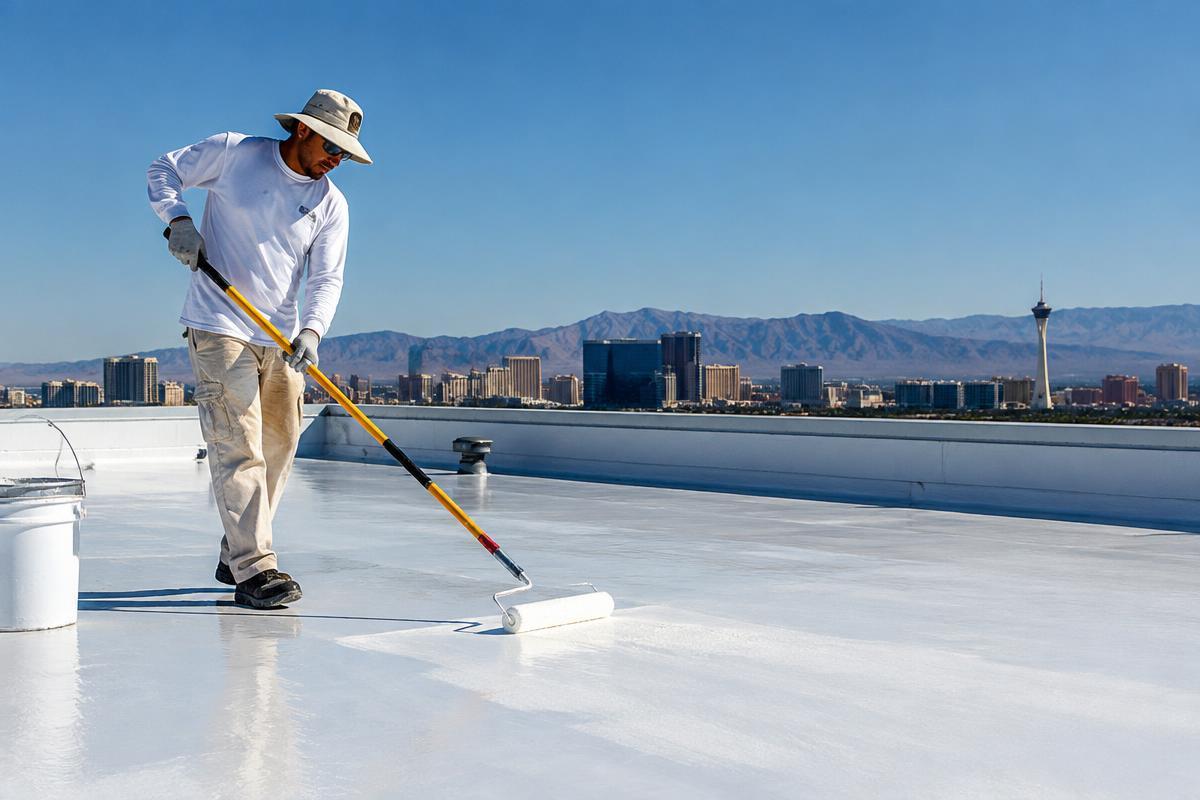
For low-slope roofs that are structurally sound but starting to show their age, silicone roof coating offers a middle path between doing nothing and committing to a full, costly replacement. The coating creates a seamless, highly reflective layer over the existing roof surface, sealing minor imperfections while reducing heat absorption and slowing the weathering process that would otherwise continue unchecked.
The appeal is straightforward: for a roof with genuine remaining service life, a properly applied coating can add years of protection at a fraction of the cost of tearing off and replacing the entire system. This makes it a particularly attractive option for commercial property owners managing multiple buildings, where the cost difference between coating and full replacement can be substantial across a portfolio.
That said, silicone coating is not a universal fix, and its success depends almost entirely on what happens before the coating is ever applied. A thorough silicone roof coating evaluation starts with assessing the existing roof's actual condition — checking for trapped moisture within the roofing system, verifying adhesion of existing layers, confirming drainage is functioning properly, and identifying any areas that need repair before coating begins.
Moisture is the single biggest risk factor. If water has already found its way beneath the existing roofing material, coating over the surface doesn't solve that problem — it seals it in. Trapped moisture continues to cause damage from within, invisible from above, while the new coating creates a false impression that the roof has been fully addressed. This is why moisture scanning or careful inspection is a non-negotiable step before any roof coating application moves forward.
Surface preparation is equally important. The existing roof needs to be clean, free of loose debris, and structurally stable before coating goes on. Any areas of deteriorated membrane, open seams, or damaged flashing need to be repaired first — the coating is a protective, restorative layer, not a substitute for actual roof repair where damage already exists. Skipping this step, or rushing through it, is the most common reason a coating project underperforms or fails prematurely.
Not every roof is a good candidate for this approach. Roofs with extensive structural damage, widespread membrane failure, or significant moisture intrusion generally need repair or full replacement rather than a coating, since the coating simply can't compensate for problems at that scale. Part of a responsible evaluation is being honest about when coating is genuinely the right call versus when a property owner is better served putting that budget toward a proper repair or replacement instead.
For roofs in reasonably good condition that primarily need protection from ongoing sun and heat exposure, though, silicone coating offers real, measurable benefits. The reflective surface can noticeably reduce rooftop and interior temperatures during peak summer months, which matters both for building comfort and for cooling costs on commercial properties. The seamless application also eliminates many of the seam-related vulnerabilities that come with other patch repair approaches.
Property owners considering this option should look for a contractor offering silicone coating services in North Las Vegas who leads with an honest suitability evaluation rather than recommending coating as a default solution for every roof. The right answer depends entirely on the roof's actual condition — and a contractor willing to say "this roof needs repair first" or "this roof isn't a good candidate for coating" is generally more trustworthy than one who recommends the same fix regardless of what they find during inspection.
For more information: Rank Business Listings
Bub
Do?

Категории
Больше
Ryan Murphy, a visionary talent renowned for his boundary-pushing work in television, has secured an exclusive multi-year partnership with Netflix, beginning July 1, 2018. This deal marks a significant milestone in his career, allowing him to produce new series and films solely for the streaming giant. Netflix’s Chief Content Officer, Ted Sarandos, praised Murphy’s impact on the...

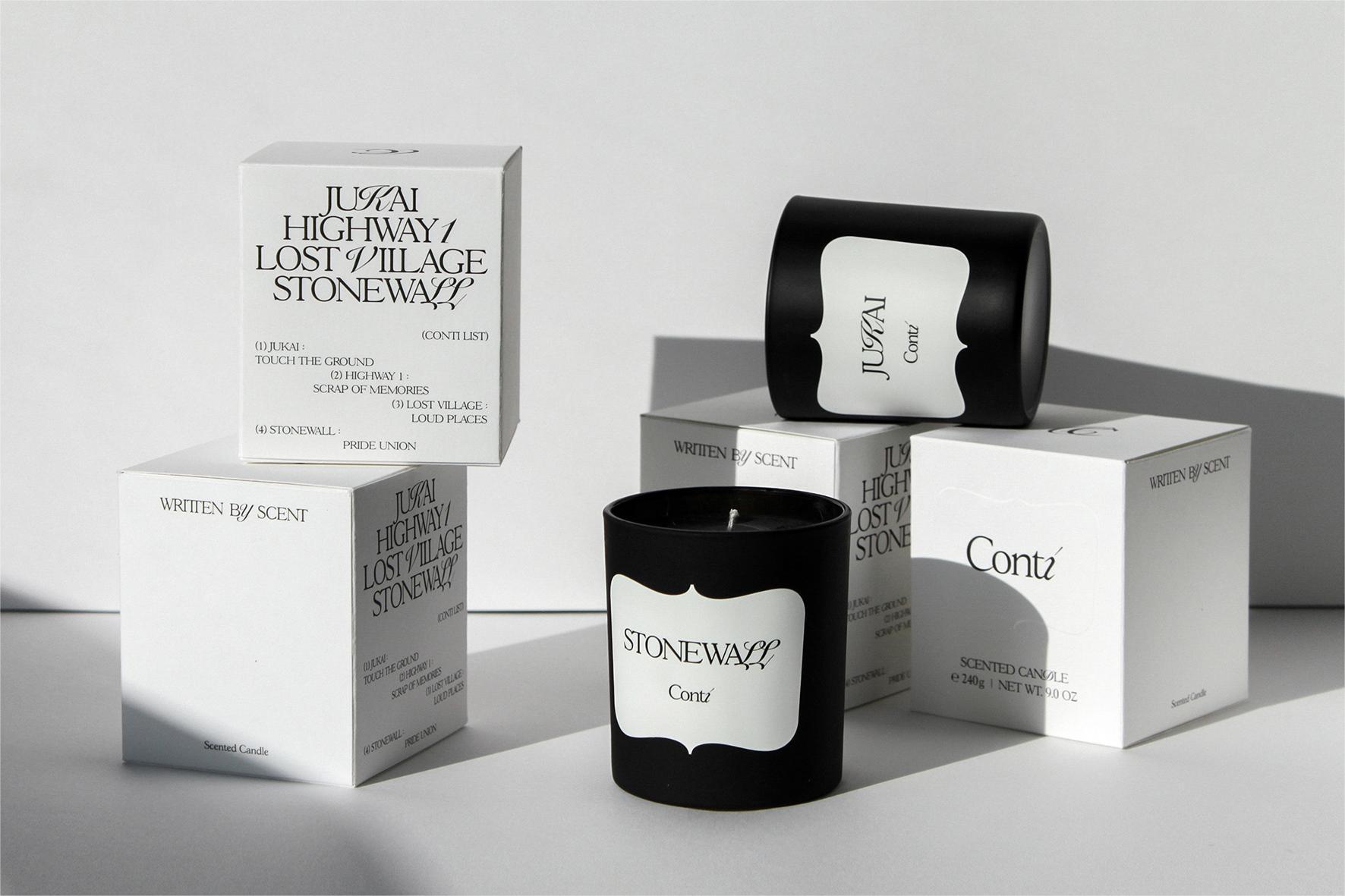
Packaging plays a powerful role in modern marketing. Brands use packaging not only to protect products but also to attract customers and influence buying decisions. When businesses sell candles, they must focus strongly on packaging design and strategy. Candle Boxes help brands create a memorable first impression, communicate value, and increase product conversions. Many candle brands compete...
Automotive Spark Plug Market Snapshot “The global Automotive Spark Plug Market is expected to reach to USD 6.1 billion by 2032, growing at a CAGR of 4.3% during 2026 to 2032” Dive into the Automotive Spark Plug Market report, where you'll find a thorough exploration of the latest market trends, key competitors, and an in-depth competitor analysis. This reliable report...
Desert Survival and Exploration Experiencing the raw intensity of Dune: Awakening is like stepping into a living, breathing desert epic. Among its most unforgettable moments is the terrifying encounter with the colossal Shai'hulud, where I was swallowed by the mighty sandworm not once, but twice, each time leaving an indelible mark on my memory. These interactions highlight the game's core: the...
FC26 1.6.4 major patch leaked! Summer transfer stars added directly to the database, the long-awaited penalty shootout mode launched, seamless integration with the new UT event, and what other surprises hidden in tomorrow's platform update that can help you earn more FC 26 Coins fast? Summer Transfer Data Added Early: Offline/Online Players Save Minutes from Manually Adjusting...