Crypto.
 Σχετικά
 Passport
 Conference call
 send money
 Όρους
Όρους
 Ιδιωτικότητα
 Sierra market
How Trauma Coaching Can Support Veterans After Military Service
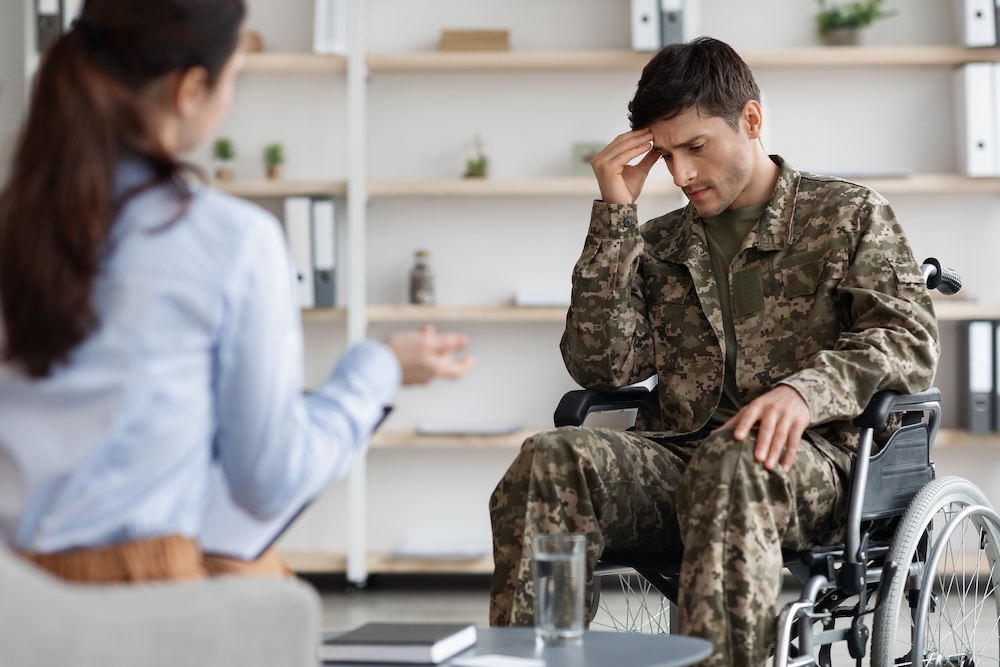
Transitioning from military service to civilian life can bring significant emotional, social, and professional changes. For some veterans, experiences during service may continue to affect daily life long after leaving the military. Veteran coaching can provide structured support to help veterans understand their experiences, identify personal goals, and develop practical strategies for moving forward.
Understanding the Challenges Veterans May Face
Military service can involve demanding environments, long periods away from family, high levels of responsibility, and exposure to stressful or traumatic events. After service, veterans may find that civilian routines feel very different from military life. Changes in structure, relationships, employment, and personal identity can create additional challenges during the transition.
Not every veteran responds to difficult experiences in the same way. Some may experience changes in sleep, motivation, confidence, communication, or emotional well-being. Others may mainly struggle with finding a new sense of purpose or adapting their military skills to civilian opportunities.
How Trauma Coaching Can Help
Trauma-informed coaching focuses on creating a supportive environment where veterans can explore challenges without being judged. Rather than concentrating only on past experiences, coaching can help individuals identify what they want to achieve in their current lives and develop realistic steps toward those goals.
A coach may help a veteran recognize personal strengths developed during military service, such as discipline, teamwork, leadership, resilience, and problem-solving. These qualities can be valuable when building a civilian career, improving relationships, or developing new routines.
Building Confidence After Military Service
Leaving a familiar military structure can sometimes affect a person's sense of identity and confidence. Veterans may wonder how their previous experience fits into civilian life or whether employers and others understand the value of their skills.
Coaching can help veterans translate military experience into practical civilian strengths. For example, leadership responsibilities can be connected to management skills, while operational experience may demonstrate organization and decision-making abilities. This process can help veterans create a clearer picture of their capabilities and future direction.
Developing Healthy Coping Strategies
Trauma coaching may also support veterans in identifying everyday strategies for handling stress, difficult emotions, and major life changes. Sessions can encourage self-awareness, goal setting, communication skills, and routines that promote stability.
However, coaching is not a replacement for mental health treatment. Veterans experiencing symptoms associated with trauma, PTSD, depression, anxiety, or other mental health conditions may benefit from working with a qualified healthcare or mental health professional. Coaching and professional treatment can sometimes complement one another when appropriately coordinated.
Creating a Stronger Path Forward
The transition from military service is a personal journey, and each veteran has different experiences, needs, and goals. Effective support should respect those differences while helping veterans build practical plans for the future.
For veterans seeking greater confidence, direction, and support after military service, veteran coaching can offer a structured approach to personal growth and life transition. With the right support, veterans can focus on their strengths, establish meaningful goals, and build a fulfilling civilian life while recognizing the experiences that shaped them.
Bub
Do?

Κατηγορίες
Διαβάζω περισσότερα
Madden NFL 27 has made presentation one of the more noticeable parts of the new experience, with changes designed to give games a stronger Sunday broadcast feel. For players also focused on building competitive teams and managing their resources, Madden 27 coins can remain part of the wider progression picture. However, the scoreboard itself has become a surprisingly important topic...

Google's cloud platform faced multiple security incidents involving unauthorized document access and service disruptions despite company assurances of robust data protection EPIC alleges deceptive practices in Google's marketing claims The advocacy group cites specific promotional language: "your data is private" and "safely stored on secure servers" Recent outages exposed centralization...
Finding a reliable online platform is important for users who value convenience, security, and an enjoyable browsing experience. Link vao MM88 serves as an important access point for individuals looking to explore a modern digital platform with responsive performance and user friendly navigation. Whether using a desktop computer, tablet, or smartphone, visitors appreciate a website that...
Corporate events play a vital role in helping businesses build stronger relationships, improve communication, and enhance brand visibility. Whether it is a conference, seminar, product launch, or team-building retreat, corporate events create opportunities for companies to connect with employees, clients, and partners in a meaningful way. In today’s competitive business environment,...

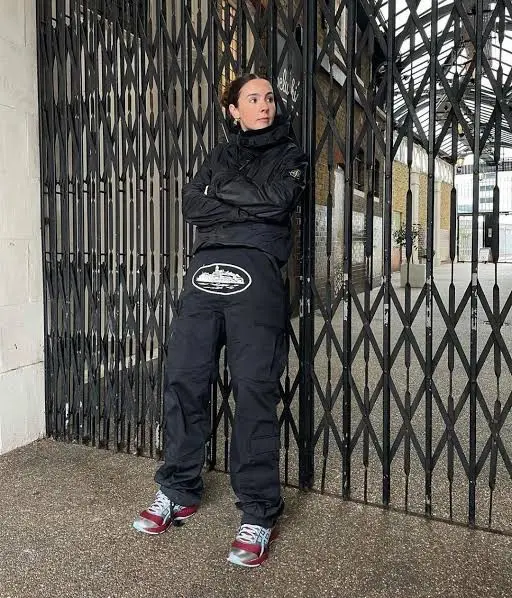
Corteiz Pantaloni are a staple of contemporary streetwear, offering the perfect mix of style, comfort, and functionality. Crafted for urban living, they provide a modern, confident look while allowing unrestricted movement. Ideal for casual days or complete streetwear outfits, these pants feature high-quality construction and a sleek, relaxed fit that appeals to both men and women. Their...