Crypto.
 Environ
 Passport
 Conference call
 send money
 Conditions générale de vente
 Confidentialité
 Sierra market
Laser Optics: How Precision Optical Components Shape Modern Laser Systems
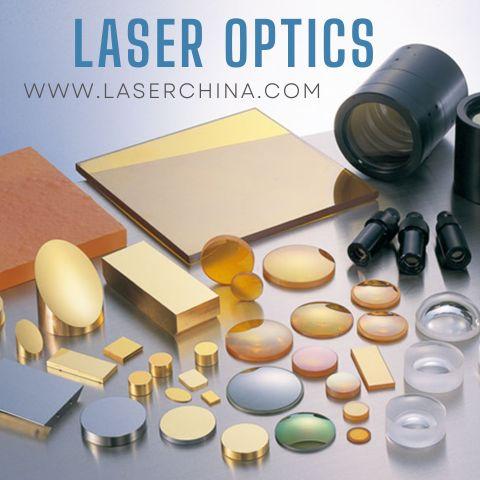
Laser optics are essential components in systems that generate, guide, focus, reflect, and control laser beams. From industrial manufacturing and laser marking to medical equipment, scientific research, and communication technology, precise optical components determine how effectively a laser interacts with its target. As laser applications continue to expand, reliable laser optics have become increasingly important for achieving consistent processing results and maintaining accurate beam control.
Understanding Laser Optics
Laser optics refers to optical components specifically designed to work with laser light. These components are manufactured from carefully selected optical materials and engineered to handle specific wavelengths, power levels, and operating conditions.
Unlike ordinary optical lenses or mirrors, laser optics must meet demanding requirements because laser beams can have high energy density and precise wavelength characteristics. Even small imperfections on an optical surface can influence beam quality, focusing accuracy, or energy transmission.
Common applications include laser cutting, welding, engraving, marking, cleaning, drilling, and measurement. The correct optical configuration allows manufacturers to direct laser energy exactly where it is required.
The Role of Lenses in Laser Systems
Lenses are among the most important components used in laser optics. Their primary purpose is to control the direction and concentration of laser light. Depending on the application, different lens designs can be used to produce the required beam profile and focal point.
Focusing lenses concentrate the laser beam onto a small area of the workpiece. This is particularly important in industrial processing, where the laser must deliver controlled energy to metal, plastic, wood, glass, or other materials.
The focal length of a lens influences the working distance and size of the focused spot. Selecting an appropriate lens therefore depends on the laser source, material, application, and desired processing result.
Mirrors for Beam Direction
Laser mirrors are another important part of optical systems. They redirect laser beams while maintaining controlled beam paths. High-quality mirrors are manufactured with specialized reflective coatings designed for particular wavelengths.
In complex laser machines, several mirrors may be used to guide the beam from the laser source toward the processing head. Correct alignment is essential because even a small angular deviation can move the beam away from its intended position.
For industrial equipment, mirror durability is also important because optical surfaces may be exposed to heat, dust, smoke, and other contaminants during operation.
Protective Windows and Optical Protection
Protective windows are commonly installed in laser processing systems to protect sensitive internal optical components. During cutting, welding, or cleaning operations, particles and fumes can be generated around the processing area.
A protective optical window creates a barrier between these contaminants and the internal lens assembly. Maintaining a clean optical surface helps preserve consistent beam transmission and supports stable laser processing.
Protective windows should be selected according to the laser wavelength, power level, machine design, and application environment. Regular inspection is also important because scratches, contamination, or coating damage can affect optical performance.
Coatings Used in Laser Optics
Optical coatings play an important role in controlling how laser light interacts with an optical surface. Depending on the purpose of the component, coatings can be designed to increase reflection or transmission at specific wavelengths.
Anti-reflective coatings are commonly applied to lenses and windows to reduce unwanted reflections and improve light transmission. Reflective coatings are used on laser mirrors to efficiently redirect laser energy.
The coating must be compatible with the laser wavelength and operating power. Selecting an optical component with the correct coating specification is therefore an important part of designing a reliable laser system.
Materials Used for Optical Components
Laser optics can be manufactured from several types of optical materials. Fused silica, optical glass, and other specialized materials are selected according to the wavelength and application requirements.
Material selection can influence transmission characteristics, thermal performance, durability, and manufacturing precision. High-power industrial laser systems require optical components capable of operating reliably under demanding conditions.
For example, optics used with different laser wavelengths may require different materials and coatings. This makes it important to match every optical component with the specific laser source rather than selecting components solely based on physical size.
Laser Optics in Industrial Manufacturing
Industrial laser systems rely heavily on precision optics. Fiber laser cutting machines use optical components to deliver focused energy to sheet metal and other materials. Laser welding equipment uses focusing and protective optics to maintain a controlled processing point.
Laser marking machines also depend on optical systems to position and focus the beam accurately. Galvanometer scanning systems use mirrors to move the laser beam rapidly across a defined working area.
In laser cleaning equipment, optical components help deliver controlled laser energy to remove rust, paint, coatings, and contaminants from surfaces.
Selecting the Right Laser Optics
Choosing laser optics requires consideration of several technical factors. The first is the laser wavelength. An optical component designed for one wavelength may not provide suitable performance with another laser source.
Laser power is another important consideration. High-power applications require optics and coatings designed to withstand the relevant energy levels.
Lens focal length, aperture, coating type, material, and physical dimensions should also correspond to the machine configuration. Compatibility with the processing head or optical assembly is essential for proper installation.
Manufacturers and users should also consider the working environment. Applications involving dust, smoke, high temperatures, or continuous production may require appropriate protective components and maintenance procedures.
Maintenance and Cleaning
Proper maintenance helps preserve the performance of laser optics. Optical surfaces should be protected from unnecessary contact because fingerprints, dust, and other contaminants can affect laser transmission.
Cleaning should be performed using procedures and materials appropriate for the specific optical coating. Abrasive materials or unsuitable cleaning agents can damage sensitive surfaces.
Regular inspection is especially important in industrial environments. A damaged or contaminated lens may produce inconsistent results, excessive heating, or changes in the laser beam profile.
Applications Beyond Manufacturing
Laser optics are not limited to industrial machinery. They are used in medical lasers, laboratory instruments, scientific research, barcode systems, optical measurement equipment, defense-related research, and communication technologies.
As laser technology develops, optical components continue to support applications requiring greater precision, faster processing, and improved beam control.
Choosing a Reliable Optical Supplier
A dependable supplier should provide optical components according to clearly defined specifications. Product information should include details such as wavelength compatibility, focal length, diameter, coating type, material, and applicable power range where relevant.
Suppliers serving professional laser applications may also offer lenses, mirrors, protective windows, and related components for different laser machines. Checking compatibility before purchasing can help ensure that the selected optics are suitable for the intended application.
Final Thoughts
Laser optics form an important part of modern laser technology. Lenses, mirrors, protective windows, and specialized coatings work together to control and direct laser energy with precision. Their selection depends on wavelength, power, focal requirements, optical design, and working conditions.
Bub
Do?

Catégories
Lire la suite
침샘비대증は、唾液腺が肥大し口腔内の違和感や腫れを引き起こす状態です。放置すると食事時の不快感や見た目への不安が増大し、日常生活の質が低下します。この記事では、効果的な 침샘비대증 치료を選ぶ際のポイントと、実際に治療を受けた患者が得られる具体的なベネフィットを明らかにします。 현실적인 치료 현황과 환자의 고민 증상 진행 속도가 개인마다 다르지만, 대부분은 점진적인 부피 증가와 통증을 호소합니다. 일반 내과에서는 원인 규명을 어렵게 여기며, 전문 클리닉을 찾는 것이 치료 성공률을 높이는 첫걸음입니다. 침샘비대증 치료의 최신 접근법 비침습적 옵션은 회복 기간이 짧고 합병증 위험이 낮아 많은 환자가 선호합니다. 레이저 축소술 – 정밀한 레이저 빔으로 과다 조직을 선택적으로 소실시켜 부피를 감소시킵니다....

Game Progression and Spending Strategies AFK Journey is designed to be highly accessible for free-to-play players, offering a fair chance to advance without spending money. However, making purchases can accelerate your progress significantly, giving you an edge over others. The game features several valuable monthly packs that provide good value, but once those are exhausted, further spending...
Verteidigungs-W-Engine_Einsatz Die Rückspulprojektor-W-Engine bietet Verteidigungsspezialisten wertvolle Unterstützung. Bei über 50% Lebenspunkten erhalten Teammitglieder Schadensreduzierung und verbesserten Miasma-Widerstand. Diese Effekte stärken die Überlebensfähigkeit des gesamten Trupps in intensiven Gefechten. Verteidigungsagenten wie Caesar und Pan Yinhu...
In today’s world of aesthetic medicine, confidence is closely linked with how fresh and smooth the skin appears, especially on the face where expressions are most visible. People are increasingly choosing non-surgical solutions that help them look naturally refined without changing their unique identity. One of the most popular treatments in this category is Botox Injections in Riyadh,...

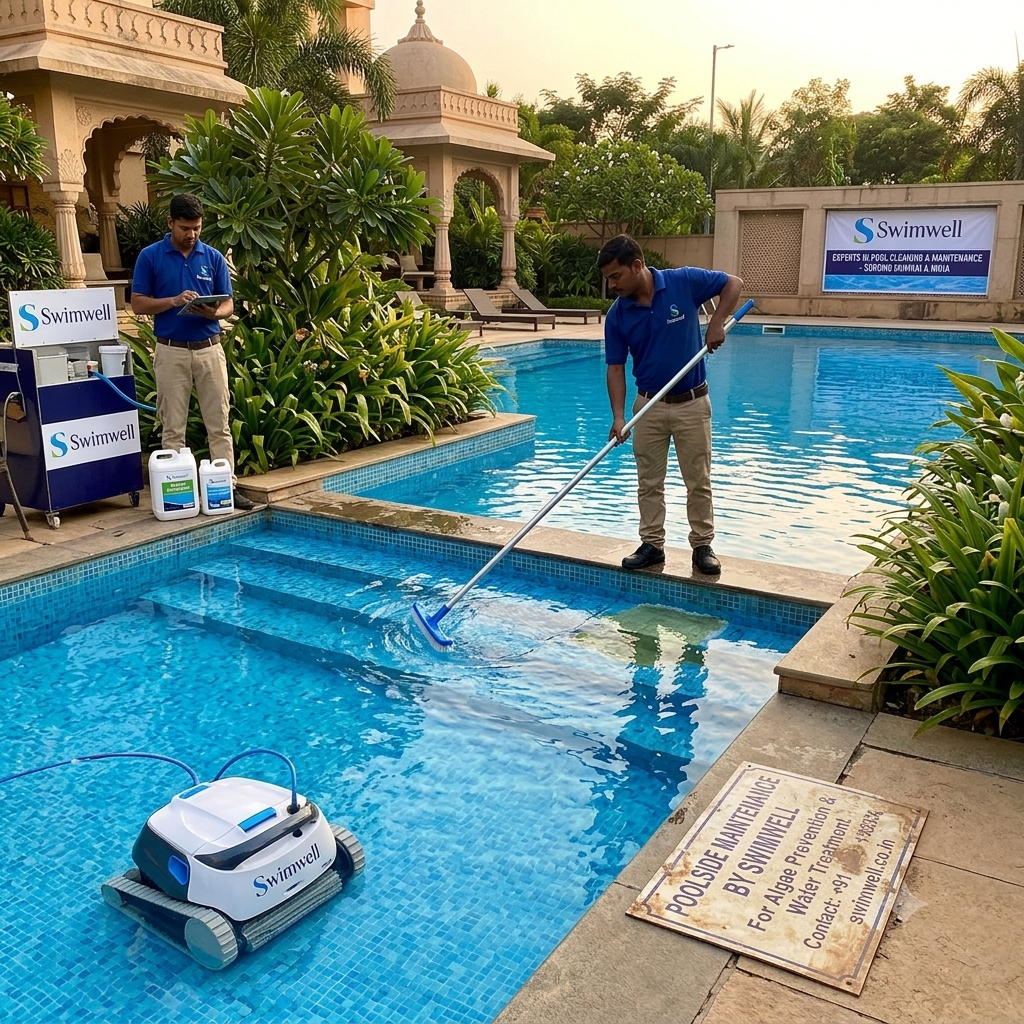
INTRODUCTION Swimming Pool Maintenance In India can play an important role in preventing algae buildup by combining regular cleaning, proper water circulation, effective filtration, balanced water chemistry, and timely inspection. Algae can develop quickly when swimming pool conditions allow it to grow, particularly when water treatment is inconsistent or circulation is poor. India's varied...