


 Crypto.

 Passport
 Conference call
 send money
 الشروط
 الخصوصية
 Sierra market
Liposuction Surgery: How Do Doctors Assess Your Body?
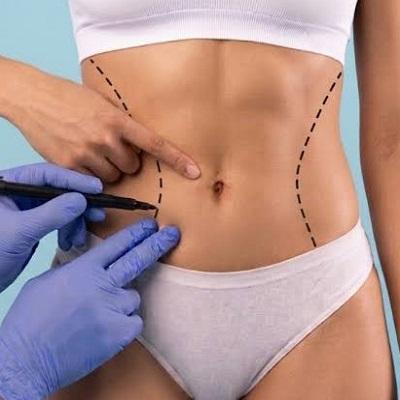
Liposuction is a popular cosmetic procedure designed to remove localized pockets of excess fat and improve body contours. Although many people associate liposuction with simply removing unwanted fat, the treatment involves much more than choosing an area and suctioning fat away. Before recommending the procedure, a qualified surgeon carefully assesses the patient's overall health, body shape, skin quality, fat distribution, and aesthetic goals.
For people researching the Best Liposuction Surgery in Muscat, understanding how this assessment works can make the consultation process easier and help set realistic expectations. A thorough evaluation allows the surgical team to determine whether liposuction is appropriate and which treatment approach may provide balanced, natural-looking results.
What Happens During a Liposuction Assessment?
A liposuction consultation usually begins with a detailed discussion about the patient's goals and expectations. The surgeon may ask which areas concern the patient, how long the excess fat has been present, whether weight has remained relatively stable, and what type of result the patient hopes to achieve.
The surgeon also reviews the patient's medical history. Previous surgeries, allergies, medications, existing health conditions, smoking habits, and previous cosmetic procedures may all be relevant. This information helps the medical team identify factors that could affect anesthesia, healing, or the overall safety of the procedure.
A physical examination is another important part of the assessment. The surgeon examines the areas where the patient is considering liposuction and evaluates the amount and location of excess fat. Measurements or photographs may also be taken as part of treatment planning.
The goal is not simply to determine how much fat can be removed. Instead, the assessment focuses on how fat removal could affect the body's overall proportions.
How Do Doctors Evaluate Body Fat and Its Distribution?
Everyone stores fat differently. Some individuals may have more fat around the abdomen, while others may have localized deposits around the hips, thighs, arms, back, waist, or under the chin.
During an examination, the surgeon evaluates the distribution of subcutaneous fat, which is the layer of fat located beneath the skin. The surgeon may gently examine and pinch the tissue to estimate its thickness and determine whether the area is suitable for treatment.
Doctors also consider whether the fullness is actually caused by fat. For example, abdominal enlargement can sometimes be related to factors other than superficial fat, such as muscle structure, bloating, loose skin, or internal abdominal contents. Liposuction cannot correct every cause of body enlargement.
The distribution of fat also matters when planning treatment. Removing too much fat from one area or creating an uneven contour can produce an unnatural appearance. For this reason, experienced surgical planning generally considers the relationship between neighboring areas rather than treating each body part in isolation.
For someone searching for the Best Liposuction Surgery in Muscat, this individualized approach is particularly important. A suitable procedure should be based on the person's anatomy rather than a standard treatment plan.
Why Is Skin Elasticity Important for Liposuction?
Skin quality is one of the most important factors doctors consider before liposuction. The procedure removes fat beneath the skin, but it does not automatically tighten significantly loose skin.
Healthy, elastic skin can often contract to some degree after fat is removed. When skin has good elasticity, the treated area may develop a smoother contour as it heals. However, skin with substantial looseness or poor elasticity may not retract sufficiently after liposuction.
Age, genetics, significant weight loss, pregnancy, sun exposure, and changes in body weight can all influence skin elasticity.
During the consultation, the surgeon may assess how the skin responds to gentle movement and whether there is noticeable laxity. If excess loose skin is a major concern, liposuction alone may not provide the desired result. In selected cases, another procedure designed to remove excess skin may need to be considered.
This is why a proper physical assessment is more valuable than relying on photographs or general descriptions of the procedure.
How Are Body Proportions and Contours Assessed?
Liposuction is generally a body-contouring procedure rather than a weight-loss treatment. Doctors therefore look at the patient's overall proportions instead of focusing only on the number on the scale.
For example, removing fat from the abdomen may affect the appearance of the waist, while treating the outer thighs can influence the relationship between the hips and legs. Similarly, removing fat from the back can change how the waistline appears from different angles.
The surgeon considers these relationships when developing a treatment plan. The objective is usually to create smoother transitions between treated and untreated areas.
Body symmetry is also evaluated. Most people naturally have some degree of asymmetry, but noticeable differences may need to be considered before surgery. The surgeon may explain that perfect symmetry cannot always be achieved and that existing anatomical differences can influence the final appearance.
Photographs and measurements can help document the starting point and assist with surgical planning. However, they should be viewed as planning tools rather than guarantees of a particular outcome.
Which Health Checks Are Performed Before Liposuction?
A person's general health is just as important as body shape when determining whether liposuction is appropriate.
Depending on the patient's age, medical history, planned procedure, and anesthesia requirements, the medical team may recommend certain examinations or laboratory tests before surgery. These can help identify potential concerns that need to be addressed before proceeding.
Doctors may ask about:
-
Current medications and supplements
-
Allergies and previous reactions to medications or anesthesia
-
Smoking or nicotine use
-
Previous surgeries
-
Bleeding or clotting problems
-
Chronic medical conditions
-
Previous problems with anesthesia
-
Pregnancy or plans for pregnancy
-
Recent changes in weight
-
Previous cosmetic treatments
The surgeon may also discuss lifestyle factors that can influence recovery. Patients may receive instructions about medications, nutrition, hydration, smoking cessation, and activity before and after surgery.
Safety should remain a central part of any search for the Best Liposuction Surgery in Muscat. A reputable treatment plan should involve appropriate medical screening rather than focusing only on cosmetic goals.
What Makes Someone a Suitable Candidate for Liposuction?
Liposuction is not suitable for everyone, and candidacy is determined individually. In general, surgeons often consider patients who have localized areas of fat that have not responded adequately to diet and exercise and who have realistic expectations about what the procedure can accomplish.
A suitable candidate may have relatively stable body weight and reasonable overall health. Good skin elasticity can also be beneficial because the skin may be better able to adapt to the new underlying contours.
However, being interested in liposuction does not automatically mean that surgery is the best option. If a person expects liposuction to produce major weight loss, eliminate cellulite, or completely tighten loose skin, the surgeon may recommend a different approach or explain why expectations need to be adjusted.
The consultation provides an opportunity to discuss these issues honestly. A responsible surgeon should explain both the potential benefits and the limitations of treatment.
How Do Doctors Decide Which Areas to Treat?
After evaluating the body, the surgeon develops an individualized treatment plan. The plan may involve one area or several connected areas, depending on the patient's anatomy, goals, and safety considerations.
Commonly considered treatment areas include the abdomen, waist, hips, thighs, arms, back, and selected areas beneath the chin. Not every patient requires treatment in every area.
The amount of fat that can safely be removed also varies. More aggressive fat removal is not necessarily better. Excessive removal can increase the risk of irregular contours and other complications.
The surgeon therefore balances aesthetic goals with safety. The treatment plan may include specific areas, the expected contour changes, the type of anesthesia, recovery considerations, and any limitations that could affect the final result.
Patients should also understand that results develop gradually. Swelling and bruising are common after surgery, and the final contour may take time to become apparent as the body heals.
Why Realistic Expectations Matter Before Liposuction
One of the most important parts of a liposuction consultation is establishing realistic expectations.
Liposuction can reshape selected areas of the body, but it is not a substitute for a healthy lifestyle. It does not prevent future weight gain, and remaining fat cells can enlarge if a person gains significant weight after treatment.
Results can also vary between individuals. Skin quality, genetics, healing, age, lifestyle, the amount and location of fat, and the surgical technique can all influence the outcome.
Patients considering liposuction should therefore evaluate treatment based on realistic improvements rather than expecting perfection. A detailed consultation can help clarify what is achievable for a particular body shape.
For those researching the Best Liposuction Surgery in Muscat, the quality of the assessment should be considered alongside the procedure itself. Careful patient selection, appropriate medical evaluation, individualized planning, and clear communication are all important components of responsible cosmetic surgery.
Frequently Asked Questions
1. Is liposuction suitable for weight loss?
Liposuction is primarily intended for body contouring rather than significant weight loss. It can remove localized deposits of fat, but it is generally not considered a treatment for obesity. Candidates are usually assessed based on their overall health, body composition, fat distribution, and expectations.
2. How does a surgeon determine which areas can be treated?
The surgeon examines the amount and location of subcutaneous fat, skin elasticity, body proportions, and the patient's aesthetic goals. The assessment helps determine which areas may respond appropriately and how treatment can be planned while maintaining balanced contours.
3. Does loose skin affect liposuction results?
Yes. Liposuction removes fat but does not necessarily remove excess skin. Patients with significant skin laxity may not achieve the desired contour with liposuction alone. A surgeon can assess skin quality during the consultation and discuss appropriate options.
4. Can liposuction remove all body fat from an area?
No. Safe body contouring does not involve removing every fat cell from a treatment area. Some fat is necessary for normal body structure, and overly aggressive removal can contribute to uneven or unnatural contours.
5. How long does it take to see liposuction results?
Changes may be noticeable relatively soon after surgery, but swelling can temporarily obscure the final contour. As healing progresses and swelling decreases, the treated area generally becomes easier to evaluate. The exact recovery timeline varies from person to person.
6. What should a patient ask during a liposuction consultation?
Patients can ask about whether they are suitable candidates, which areas can realistically be treated, expected recovery, potential risks, anesthesia, aftercare, possible alternatives, and what kind of result can reasonably be expected. Asking these questions can help patients make informed decisions.
Read More About Liposuction Surgery: https://tanbat.com/articles/can-liposuction-surgery-be-used-on-more-than-one-area-oweaux
Bub
Do?

الأقسام
إقرأ المزيد
Netflix has acquired the rights to adapt Rob Liefeld’s "Extreme Universe," a gritty collection of graphic novels featuring over 50 characters across six titles, including "Brigade," "Bloodstrike," "Re-Gex," "Kaboom," "Bloodwulf," and "Cybrid." This move signals Netflix’s commitment to bringing Liefeld’s intense storytelling to a wider audience through a series of...

Surfshark generally works well on Fire TV Stick, but sometimes streaming apps will refuse the connection. Below are likely causes, practical fixes, and clear setup and reinstallation steps to get you back to watching Netflix, Prime Video, Disney+ and more. Common reasons Surfshark won’t work on Firestick Wrong server region: You must be connected to a server in the country that matches...
Funcom has released a hotfix for Dune: Awakening that reshapes the endgame by converting the entire southern half of the Deep Desert into a player versus environment (PvE) zone. Control points and shipwrecks remain player versus player (PvP) areas even in the south, preserving localized combat for those who seek it. The developer stated it will monitor the changes and continue iterating based...
A groundbreaking crossover event has launched in Genshin Impact, offering players the opportunity to earn a variety of special in-game items. Among these rewards are free Primogems, a coveted currency for wishing on banners, as well as an exclusive avatar that cannot be obtained through standard gameplay methods. This collaboration coincides with the recent release of version 6.2, which...
Market Overview The global companion diagnostics market is receiving significant growth impetus from expanding Asia Pacific markets where rising cancer incidence, growing healthcare investment, and regulatory modernization are creating substantial companion diagnostic demand. The global companion diagnostics market is projected to surpass USD 10 billion through 2030, with Asia...
