Crypto.
 About
About
 Passport
 Conference call
 send money
 Termini e Condizioni
 Privacy
 Sierra market
Maximizing Success with Conversion Rate Optimization Tools: Professional’s Guide

In today’s fast-changing digital marketplace, every business leader faces a persistent question: “How can I transform more of my website visitors into valuable customers or leads?” For professionals leading online businesses, this challenge is both urgent and ongoing.
The answer is not simply driving more traffic but refining the experience so that more visitors take the desired action. This is where Conversion Rate Optimization tools become indispensable.
This article explores the transformative value of CRO tools. Drawing from industry-tested strategies and the real needs of business practitioners, we will clarify what CRO tools are, how they work, and, most importantly, how they can be applied pragmatically. By the end, you’ll know what comprises a robust CRO toolkit and how you can leverage these resources to drive measurable business growth.
Understanding Conversion Rate Optimization (CRO)
At its core, Conversion Rate Optimization is a systematic approach to increasing the proportion of website visitors who take a desired action, whether that’s completing a contact form, making a purchase, signing up for updates, or any other meaningful interaction. True CRO brings together data analysis, customer insight, careful experimentation, and continuous improvement.
Why CRO Tools Matter
Digital platforms need clear, compelling communication and frictionless experiences, or else potential customers will leave before taking action. CRO tools provide crucial benefits:
-
Insight Through Data: They reveal where visitors struggle or drop off, and where there are opportunities for enhancement.
-
Scientific Experimentation: They allow you to test new ideas, headlines, design changes, and different offers with precision.
-
Tangible Growth: Optimizations are informed by evidence, not guesswork, ensuring resources are focused on what moves the needle.
The Core Categories of CRO Tools
To maximize business value, it’s useful to understand the major categories of CRO tools and their roles within an overall optimization strategy.
1. Analytics and User Behavior Tracking
CRO begins with measurement. Analytics tools, such as heatmaps and session replay software, provide more than just pageview counts. They help illustrate what visitors actually do, pinpoint sources of confusion, and highlight drop-off points in the user journey.
2. A/B Testing and Personalization Engines
Testing tools bring scientific rigor by enabling you to show different versions of a page or element to segments of visitors. By comparing performance, you discover which changes really improve conversions. Advanced solutions also support personalization, tailoring experiences to each user.
3. Form Optimization and Lead Capture
For businesses that rely on contact or lead forms, small improvements can yield major results. Form optimization tools reduce complexity, provide real-time validation, and collect analytics on completion and abandonment, guiding ongoing refinement.
4. Feedback and Survey Tools
Numbers alone can miss the “why” behind user actions. Well-placed surveys and feedback widgets allow you to ask visitors directly about their experience. This qualitative data often surfaces the underlying causes behind bottlenecks or lost opportunities.
Best Practices for Integrating CRO Tools
Selecting and deploying tools is just the beginning. Consider these practices for long-term value:
-
Begin with research, don’t guess what to test; use data to inform your hypothesis.
-
Define clear goals and outcome metrics for every experiment.
-
Make iterative improvements. Compounded gains from small changes quickly add up.
-
Keep a detailed record of tests and outcomes. Even negative results inform future decisions.
What This Looks Like in Action
Suppose you observe that visitors frequently begin filling out your contact form but fail to finish. You use a heatmapping tool and discover hesitation around a field asking for extensive company information.
Analytics confirm a spike in abandonment at the same spot. By testing a shorter, simpler alternative, you see completions rise significantly, a direct business gain that required only a minor adjustment, informed by CRO tools.
Frequently Asked Questions
How should I choose CRO tools?
First, pinpoint where your funnel is underperforming, user understanding, form friction, or messaging. Then select tools best suited to your needs, keeping scalability and integration in mind.
Do these tools require technical expertise?
Many modern solutions are designed for ease of use, offering intuitive interfaces and no-code options. Most important is an openness to learn and iterate.
How soon can results be seen?
You may see initial improvements within weeks, but sustainable growth comes from a cycle of ongoing testing and refinement. Effective CRO is continuous, not a one-off project.
Are these tools only for large companies?
Not at all. Businesses of all sizes benefit from CRO tools, especially smaller teams, who can realize proportionally larger gains by removing friction and improving clarity.
Conclusion
In the end, the path from casual visitor to loyal customer depends on more than simply attracting attention. It requires thoughtful, evidence-based adjustments at every touchpoint.
Conversion Rate Optimization tools provide the methods and insight needed to refine digital experiences, reduce waste, and achieve consistent business growth.
By employing CRO tools within a disciplined workflow, marketers and executives can build more persuasive, higher-performing websites, regardless of industry or scale.
Bub
Do?

Categorie
Leggi tutto
The Valorant 12.06 patch brings targeted gameplay adjustments to Waylay and Viper alongside a broad set of quality-of-life, server, and bug-fix updates. Riot Games is refining the risk-reward balance for these agents while polishing the overall player experience with new end-of-game visuals, improved Flex item usability, and backend server optimizations. Waylay and Viper Adjustments...

Booked and busy, a newly wed and glowing arrived Hermes into the posh Twenty Two hotel in an immaculately tailored tuxedo. was not overstating the importance of the fashion to the character development. But others feel this period of intense scrutiny on creative directors has irreversibly raised the pressure stakes too high, resulting in designers playing it safe and diminishing the creativity...

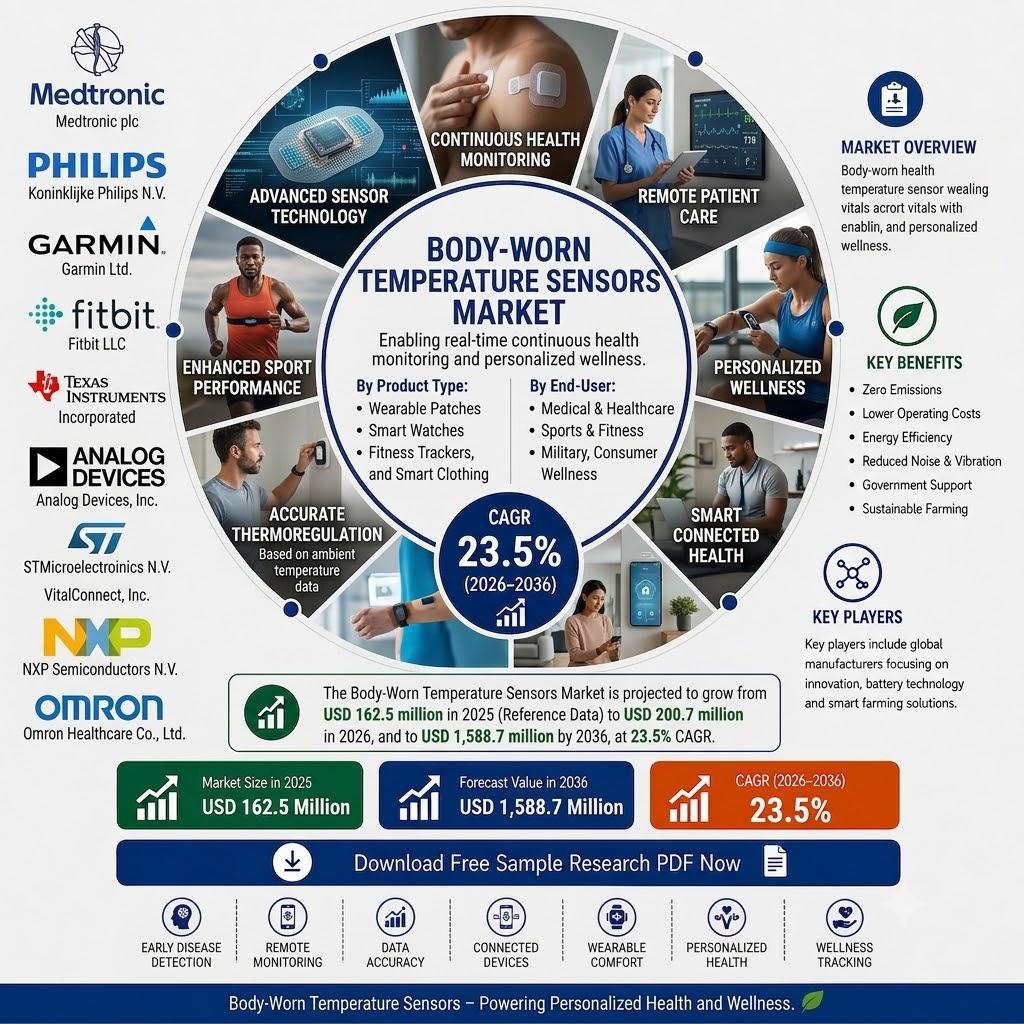
The global body-worn temperature sensors market is projected to reach USD 1,588.7 million by 2036, rising from USD 200.7 million in 2026 at a 23.5% CAGR, according to Fact.MR analysis. The market was valued at USD 162.5 million in 2025, with demand expanding as healthcare providers, telehealth programs, and industrial employers adopt continuous temperature monitoring. The market is expected to...
Starting on January 12th at 11 a.m. PST, players will gain access to the latest challenge within the seasonal realm—the Tower. This new feature is designed to test even the most skilled monster slayers, offering a rigorous ascent filled with formidable enemies. Conquering the Tower not only provides a thrilling experience but also grants opportunities to climb the leaderboards and...
There are a few different ways to get this unique weapon, depending on your playstyle and access to POE 2 Currency. Here's how you can obtain it: 1. World Drops As with most uniques, Hrimnor's Hymn can drop randomly from monsters, chests, or destructibles. Since it's a low-level unique, your best chance is during the early acts of the campaign, especially when clearing zones filled with...