


 Crypto.
 About
About
 Passport
 Conference call
 send money
 Terms
Terms
 Privacy
 Sierra market
How Hydromulch Helps North Texas Lawns Thrive in Tough Soil and Heat
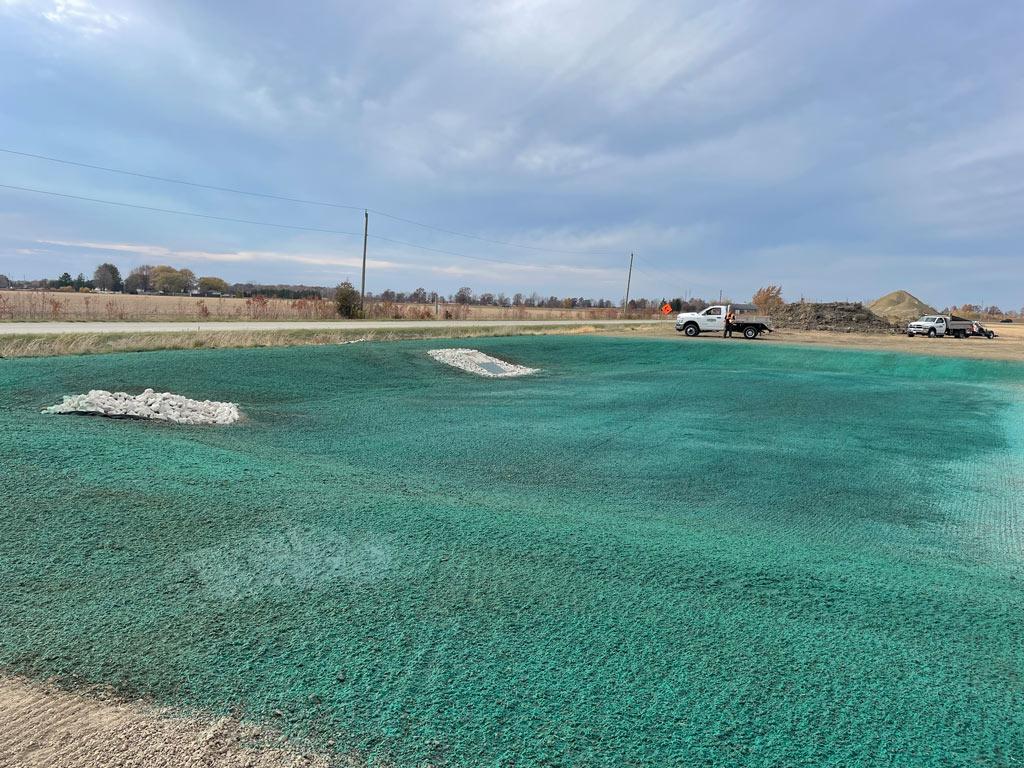
North Texas lawns have to withstand conditions that can make grass establishment difficult, including intense summer heat, drying winds, variable rainfall, and challenging soil. Newly seeded areas are especially vulnerable because young roots have limited access to moisture and can struggle when the surface dries quickly. Hydromulch North Texas projects can help address some of these challenges by placing a protective mulch layer over freshly seeded soil. The mulch can support moisture retention while also helping protect the surface from erosion and environmental disturbance.
Hydromulch is commonly used as part of hydroseeding, where mulch is mixed with seed, water, and other materials before being sprayed onto prepared ground. Texas A&M AgriLife Extension notes that hydro-mulch can help stabilize the soil surface and aid germination when used with hydroseeding. However, mulch is not a substitute for appropriate grass selection, soil preparation, or irrigation. The best results come from treating hydromulch as one component of a complete lawn-establishment strategy designed around North Texas growing conditions.
What Is Hydromulch?
Hydromulch is a material, commonly made from wood fiber or similar fibers, that is mixed with water to create a sprayable slurry. Depending on the project, the mixture may also contain seed, fertilizer, or a tackifying agent that helps the material adhere to the soil. Texas Forest Service describes hydromulch as a water-and-fiber slurry that can provide temporary soil cover, reduce erosion, and increase water retention. This makes it useful for both lawn establishment and certain soil-protection applications.
The term hydromulch is sometimes used interchangeably with hydroseeding, but the two processes are not exactly the same. Hydromulching focuses primarily on applying a protective mulch layer, while hydroseeding includes seed in the mixture for vegetation establishment. When seed is added to the slurry, the process becomes hydroseeding. Understanding this distinction helps property owners ask contractors the right questions about what materials will actually be applied to their lawns, slopes, or construction-disturbed areas.
Why North Texas Soil Can Be Challenging
Soil conditions have a major influence on lawn performance. North Texas properties can contain heavy or compacted soils that restrict root development and affect how quickly water moves through the ground. Construction equipment can make the situation worse by compressing soil and leaving areas with poor structure. Before applying any seed or mulch mixture, contractors should evaluate the surface and address problems that could prevent proper seed-to-soil contact or healthy root development.
Poor soil conditions can also make moisture management more complicated. Water may remain near the surface in compacted areas or move rapidly away from exposed slopes. Texas A&M AgriLife notes that soil and environmental conditions influence lawn water requirements and that high temperatures, low humidity, and wind can increase water loss through evaporation and plant transpiration. Proper preparation and a suitable mulch layer can therefore be valuable parts of a broader strategy for helping new vegetation establish.
How Hydromulch Helps Retain Moisture
One of the primary advantages of hydromulch is its ability to create a surface covering that helps slow moisture loss. Newly seeded grass needs consistent moisture during germination, and allowing the seedbed to dry out can interfere with establishment. Texas A&M AgriLife explains that hydro-mulch can stabilize the soil surface and aid germination, while broader mulching guidance notes that mulch can reduce water loss and help soil retain moisture.
This moisture-supporting effect can be particularly useful during hot North Texas weather. A protective mulch layer can reduce direct exposure of the soil surface and help create a more stable environment around developing seed. It does not mean a newly seeded lawn can be left without irrigation, however. Young turf still requires appropriate watering, and Texas A&M guidance emphasizes keeping newly seeded soil moist without allowing it to become saturated during the early establishment period.
Hydromulch and Protection From Soil Erosion
Bare soil is vulnerable to rainfall and wind, especially on slopes or recently disturbed construction sites. Heavy rainfall can move loose soil downhill and wash away seed before it has an opportunity to germinate. A layer of hydromulch provides temporary surface coverage that can reduce the direct impact of rainfall and help hold loose materials in place. Texas Forest Service identifies hydromulching as a practice used to reduce erosion and protect vulnerable surfaces from rainfall and overland water flow.
This makes hydromulch particularly relevant for properties with slopes, drainage areas, and newly graded ground. It should not be treated as a universal replacement for engineered erosion-control systems, especially on severe slopes or areas exposed to concentrated water flow. Proper grading, drainage design, erosion-control measures, and vegetation establishment may all be necessary depending on the site. Hydromulch can support these efforts by providing temporary coverage while plants develop stronger roots.
Supporting Lawns During North Texas Heat
Extreme heat places significant stress on young turf. Newly established grass has a developing root system and can lose moisture quickly when temperatures rise and dry winds increase evaporation. Texas A&M specialists recommend paying close attention to irrigation during periods of heat and drought, while recent Texas A&M guidance also emphasizes that mulch can help maintain moisture and moderate soil temperatures. These principles explain why a suitable mulch layer can be helpful during lawn establishment.
The goal is not to keep the soil constantly saturated. Excessive watering can create runoff, reduce oxygen around roots, and contribute to other landscape problems. Instead, irrigation should be adjusted according to grass variety, soil type, weather, and the stage of establishment. A professional contractor can provide project-specific watering instructions, while homeowners should monitor the lawn for signs of excessive dryness or runoff. Hydromulch can support moisture management, but it works best alongside responsible irrigation rather than replacing it.
Hydromulch for Slopes and Difficult Areas
Sloped ground can be particularly difficult to seed because gravity and rainfall can move loose materials before vegetation becomes established. Traditional broadcast seeding may require additional measures to keep seed in place, especially on uneven or exposed surfaces. Hydromulch can provide a layer of fiber that helps cover the soil and reduce direct exposure to rainfall. When combined with appropriate seed and site preparation, this can create a more supportive environment for vegetation to develop.
Before treating a slope, contractors should assess its grade, drainage pattern, soil stability, and exposure to concentrated water. Some sites may require additional stabilization methods rather than relying on mulch alone. Hydromulch can be especially useful as temporary protection while vegetation becomes established, but the long-term goal is often to develop sufficient plant coverage and root growth to provide more durable soil protection.
Hydromulch and Hydroseeding for New Lawns
For homeowners starting a lawn from bare ground, hydromulch and hydroseeding can work together as part of a coordinated installation process. The contractor can select grass seed suited to the property, prepare the soil, and apply a slurry containing seed and mulch. This allows the protective properties of the mulch to support the early stages of seed establishment. The approach can be useful for large lawns where applying and protecting dry seed manually would be more labor-intensive.
Grass selection remains essential regardless of the application method. Texas A&M AgriLife identifies different turfgrass types according to their adaptation, growing season, water requirements, and performance characteristics. A North Texas lawn should therefore be planned around its actual sunlight, soil, irrigation, traffic, and maintenance conditions. Hydromulch can improve the planting environment, but it cannot compensate for a grass variety that is poorly matched to the site.
Choosing a Professional Hydroseeding Contractor
Homeowners searching for a hydroseeding company near me should evaluate more than the contractor's location. Experience with North Texas soil, weather, turf varieties, slopes, and irrigation requirements can be valuable when planning a new lawn. Ask potential contractors what type of mulch they use, whether seed is included in the mixture, how the soil will be prepared, and what maintenance instructions they provide after installation. These questions can help clarify whether the proposed service addresses the entire establishment process.
It is also important to request a detailed project scope before work begins. The estimate should explain preparation, seed selection, mulch, application, and any additional materials or services. Homeowners should understand who is responsible for irrigation after application and what environmental conditions could affect the expected results. A transparent contractor should explain that germination and establishment depend on weather, soil conditions, grass variety, and maintenance rather than promising an identical outcome for every property.
Caring for a Hydromulched Lawn
After application, consistent but appropriate watering is one of the most important responsibilities for the homeowner. Newly seeded turf generally needs moisture during germination, but irrigation should be managed carefully to avoid runoff and oversaturation. Texas A&M guidance recommends keeping newly seeded areas moist during the critical early growth period and adjusting care as seedlings develop. Regular observation is useful because different parts of a property may dry at different rates.
As the grass develops roots and becomes established, the maintenance routine should gradually transition toward normal lawn care. Mowing should begin at the appropriate stage for the selected grass, while irrigation can be adjusted as the root system becomes stronger. Traffic should also be limited while the turf remains fragile. Good aftercare protects the investment in the original installation and gives the developing lawn a better opportunity to become dense, durable, and capable of handling North Texas conditions.
Hydromulch can be a valuable part of a lawn-establishment and soil-protection strategy in North Texas, particularly where heat, drying conditions, slopes, or disturbed soil create additional challenges. Its ability to provide temporary surface coverage, support moisture retention, and reduce erosion can give developing vegetation a more favorable environment. However, successful results still depend on appropriate soil preparation, grass selection, installation timing, irrigation, and ongoing care. When these factors work together, Hydromulch North Texas applications can provide a practical foundation for healthier lawns and more stable landscapes.
Bub
Do?

Categories
Read More
The Middle EAST Animal Protein Market was valued at USD 15.2 billion in 2024 and is projected to reach USD 25.8 billion by 2034, registering a CAGR of 5.5%. This growth trajectory is underpinned by increasing consumer demand for protein-rich diets, driven by rising health consciousness and changing dietary patterns. The region's growing population, coupled with urbanization, has led to an...

Well stimulation services are a suite of techniques designed to improve the flow of hydrocarbons from the reservoir into the wellbore. Hydraulic fracturing is the most significant and widely used of these services, dramatically increasing the productivity of wells in low-permeability formations. Industry observations from Market Research Future confirm that the demand for well...

Ice Jade Teekanne: Teamverstärkung Die Eisjade-Teekanne, eine Rang-S-Waffe, wurde mit dem Update am 14. August 2024 verfügbar. Sie wurde speziell für Betäubungs-Agenten wie Qingyi geschaffen. Ihr einzigartiger Passiv-Effekt „Klingende Melodie“ sammelt mit jedem Basisangriff einen „Tea-riffic“-Stapel. Jeder Stapel erhöht den Impact-Wert des...

The 2011 British Academy Film Awards celebrated cinematic excellence with "The King's Speech" emerging as the night's biggest winner, claiming seven prestigious honors including Best Film. Colin Firth received the Leading Actor award for his portrayal of King George VI, while his co-stars Geoffrey Rush and Helena Bonham Carter were recognized in the Supporting categories. Despite "The King's...
Несмотря на недавний запуск PlayerUnknown’s Battlegrounds в раннем доступе на платформе Steam, игра уже завоевала широкую популярность среди геймеров по всему миру. Создатель проекта, Брендан Грин, неоднократно размышлял о возможной сюжетной линии, которая могла бы дополнить основной геймплей. По его словам, для создания полноценной кампании необходимо иметь хорошо проработанную...
