


 Crypto.
 Environ
 Passport
 Conference call
 send money
 Conditions générale de vente
 Confidentialité
 Sierra market
10 Defining Characteristics of Mid-Century Modern Furniture Every Collector Should Know
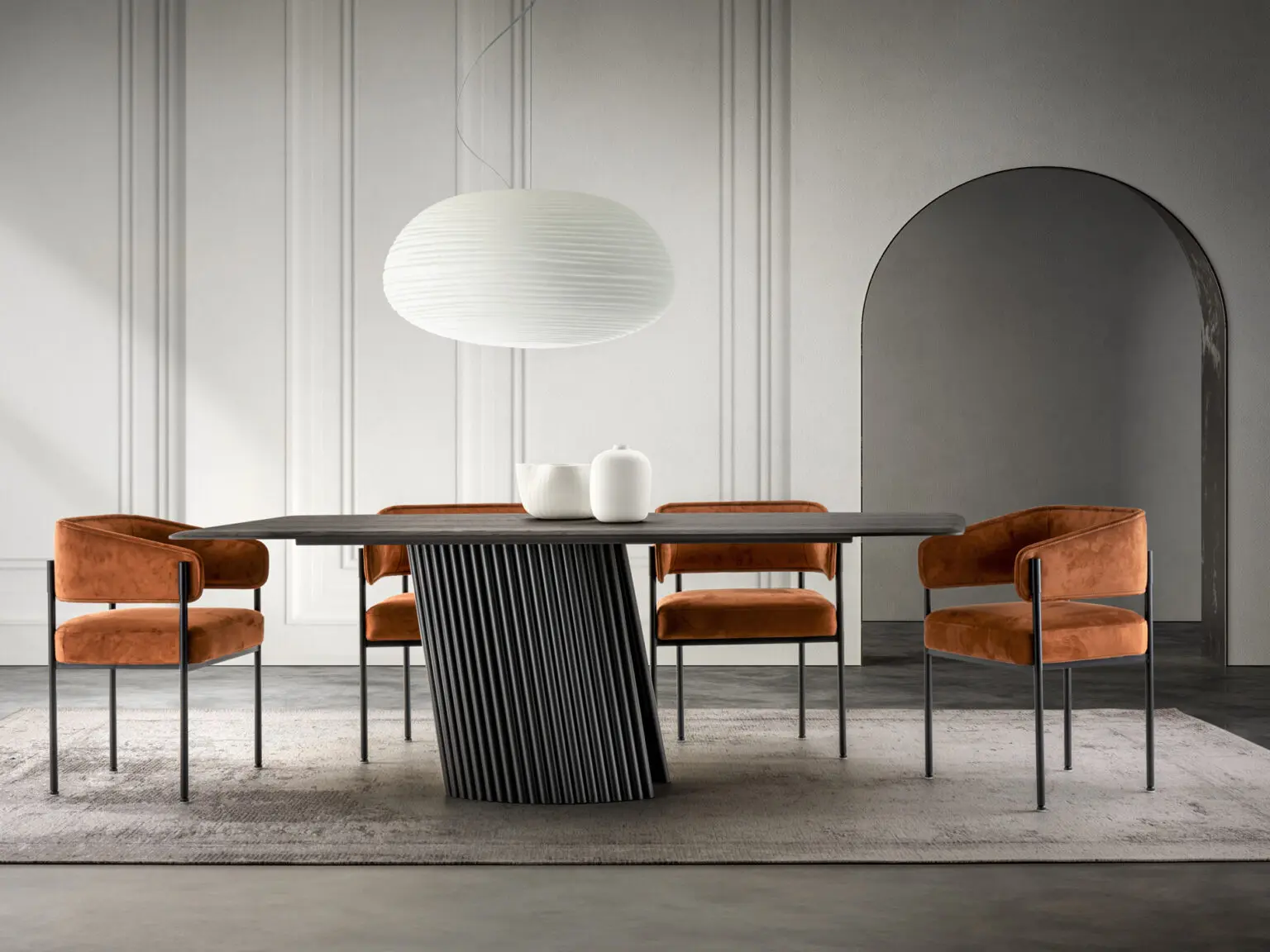
Mid-century modern furniture remains one of the most influential design movements of the 20th century. Recognized for its clean lines, practical forms, natural materials, and thoughtful craftsmanship, the style continues to attract collectors and homeowners alike. Understanding its defining characteristics can help buyers identify quality pieces and distinguish authentic design principles from modern imitations. Whether you are starting a collection or simply furnishing your home, knowing what makes this style distinctive can lead to more confident purchasing decisions.
1. Clean Lines and Simple Silhouettes
One of the most recognizable characteristics of mid-century modern furniture is its emphasis on clean, uncomplicated lines. Designers moved away from excessive ornamentation and focused instead on balanced proportions and functional shapes. Tables, chairs, cabinets, and sofas often feature straight edges, gentle curves, and streamlined profiles. This simplicity gives the furniture a timeless appearance that can work comfortably alongside both vintage and contemporary interiors.
The absence of unnecessary decoration does not mean these pieces lack personality. Instead, their visual appeal often comes from carefully considered proportions and structural details. A tapered leg, curved armrest, or subtly angled back can make a simple chair immediately recognizable. For collectors, examining these details can reveal how thoughtfully a piece was designed. Good mid-century pieces often look straightforward at first but become more interesting when their construction and proportions are examined closely.
2. Functional Design Comes First
Functionality is at the heart of mid-century modern furniture. Designers created pieces to support everyday living rather than simply serve as decorative objects. Storage cabinets, dining tables, lounge chairs, and desks were designed with practical use in mind while maintaining an elegant appearance. This relationship between function and aesthetics remains one of the strongest reasons the style continues to appeal to modern homeowners.
For collectors, functionality can also provide useful clues when evaluating a piece. Drawers should operate properly, seating should provide reasonable support, and tables should feel stable when used. Decorative elements should generally serve a purpose rather than appear randomly added. This practical philosophy separates genuine mid-century design thinking from furniture that merely copies its visual appearance without understanding the principles behind the original movement.
3. Tapered and Angled Legs
Tapered legs are among the most recognizable details associated with mid-century modern furniture. Many chairs, tables, sofas, and cabinets feature legs that become narrower toward the floor, creating an elevated and lightweight appearance. Angled legs were also common and contributed to the distinctive geometric character of the period. These features helped furniture appear less bulky while maintaining sufficient structural support.
The design choice had an important visual effect on interior spaces. Furniture raised above the floor allows more of the surrounding flooring to remain visible, which can make a room feel more open. Collectors should pay attention to how legs connect with the main frame and whether their proportions appear intentional. Poorly made reproductions may imitate tapered legs but lack the precision, balance, or structural quality found in well-designed original pieces.
4. Natural Wood and Visible Grain
Natural wood played a major role in the development of mid-century furniture. Woods such as walnut, teak, oak, and rosewood were frequently selected for their durability, warmth, and attractive grain patterns. Rather than hiding the natural character of wood beneath heavy decoration, designers often allowed the material itself to become part of the visual design. Rich wood surfaces helped soften the clean geometry associated with the movement.
Collectors should examine wood carefully when evaluating older furniture. Consistent grain patterns, quality veneers, solid construction, and appropriate finishing techniques can provide useful information about craftsmanship. Age-related marks are not automatically signs of poor quality, particularly when dealing with vintage furniture. However, significant structural damage, poorly matched replacement parts, or careless refinishing may affect a piece's condition and historical character.
5. Innovative Use of Materials
Mid-century designers were not limited to traditional woodworking. The period saw increased experimentation with materials such as molded plywood, fiberglass, plastic, metal, glass, and new upholstery materials. These developments allowed designers to create shapes that would have been difficult or expensive to produce using older manufacturing methods. The resulting furniture often combined traditional craftsmanship with innovative industrial techniques.
This experimentation is an important part of what makes the movement historically significant. A molded chair, for example, could be produced in a shape designed to support the human body while maintaining a visually simple appearance. When evaluating a collectible piece, understanding its materials and manufacturing method can provide useful context. Collectors should consider both the quality of the material and how effectively it was incorporated into the overall design.
6. Organic Curves and Geometric Forms
Although mid-century design is commonly associated with straight lines, organic curves are equally important. Designers frequently combined geometric structures with rounded edges, curved chair backs, sculptural seats, and flowing table shapes. This mixture prevented interiors from feeling excessively rigid. The contrast between straight architectural lines and softer furniture forms created visual balance.
These curves are particularly noticeable in lounge chairs and upholstered seating. A well-designed curved chair may appear sculptural while still being comfortable and practical. Collectors should consider whether the curves serve a functional or ergonomic purpose rather than simply being decorative. The strongest examples of the style typically combine visual interest with usability, demonstrating how form and function can work together.
7. A Balanced Approach to Color
Color is another defining element of mid-century modern design, although it is often more restrained than people expect. Natural wood tones were frequently combined with neutral upholstery, while colors such as mustard, olive, orange, rust, blue, and warm red could provide visual accents. The result was often lively without becoming excessively ornate.
Modern collectors can incorporate these colors without turning an interior into a period recreation. A neutral room can gain character from a single mustard chair or a warm-toned sideboard. Mid-century modern decor often works best when colors are balanced rather than used everywhere at once. Choosing a limited palette allows the furniture's materials, shapes, and craftsmanship to remain visually important.
8. Emphasis on Proportion and Visual Lightness
Proportion is an essential but sometimes overlooked characteristic of mid-century modern furniture. Designers carefully considered the relationship between the furniture's height, width, depth, and surrounding space. Many pieces have relatively slim frames and raised bases, which help them appear lighter than traditional heavy furniture.
This attention to proportion makes the style particularly suitable for modern homes and smaller rooms. A streamlined credenza can provide substantial storage without visually dominating a wall, while a slim dining table can accommodate guests without making the room feel crowded. Collectors should therefore evaluate not only an individual item's appearance but also how its dimensions relate to the surrounding environment.
9. Craftsmanship and Attention to Detail
Quality craftsmanship is important when collecting vintage furniture, regardless of its design period. Mid-century pieces can feature carefully constructed joints, precise veneers, durable hardware, molded components, and thoughtfully finished surfaces. Small details such as drawer pulls, hinges, edges, and joinery can reveal considerable information about how a piece was made.
Collectors should not assume that every item from the mid-20th century is automatically valuable simply because it looks vintage. Condition, construction quality, designer or manufacturer information, rarity, provenance, and originality can all influence collectible interest. A careful inspection is therefore worthwhile before making a significant purchase. Understanding construction methods can help collectors appreciate craftsmanship while avoiding decisions based solely on appearance.
10. Harmony Between Furniture and Mid-Century Modern Decor
The final defining characteristic is the way individual pieces work together within a larger interior. Mid-century modern furniture was designed as part of a broader approach to comfortable, functional, and uncluttered living. A room can combine wood furniture, understated textiles, sculptural lighting, simple artwork, and carefully selected accessories without becoming visually overwhelming.
Today, mid-century modern decor does not have to mean creating a completely vintage room. Contemporary rugs, modern artwork, plants, neutral walls, and updated lighting can complement original furniture beautifully. The important factor is maintaining a sense of balance and allowing distinctive pieces to stand out. This flexible approach makes the style practical for collectors who want to preserve its character while creating a home that still feels current.
Building a Thoughtful Mid-Century Collection
Collecting mid-century modern furniture requires more than recognizing a familiar shape or attractive wood finish. A knowledgeable collector considers construction, materials, condition, proportions, originality, and the history of the piece. Researching manufacturers, designers, production methods, and restoration practices can gradually develop a stronger understanding of the market. It is also useful to distinguish between collectible originals, restored vintage pieces, and contemporary reproductions because each category can have different characteristics and considerations.
The best collection is not necessarily the one containing the largest number of pieces. Thoughtful selection can create a more cohesive and meaningful interior while allowing each item to contribute something distinctive. Whether you are searching for a classic dining table, sculptural lounge chair, wooden credenza, or carefully crafted storage cabinet, focus on quality and design integrity. By understanding these ten characteristics, collectors can better appreciate why mid-century modern furniture remains influential and why its design continues to feel relevant decades after its original era.
Bub
Do?

Catégories
Lire la suite
Michael B. Jordan and Juno Temple are gearing up to bring a fresh twist to animated storytelling, stirring excitement among fans. Their upcoming project, titled Swapped, is set to debut on May 1 and promises an adventure filled with humor and surprises. This film, reminiscent of Freaky Friday, explores the concept of body swapping in a vibrant, fantastical setting. Produced by Netflix and...

DMT Category: The DMT Kaufen category on DMTBestellen.de is a dedicated section covering DMT-related information and listings. The page is organized within a broader website structure that separates DMT from related compounds and product formats. DMT Overview: DMT, or N,N-Dimethyltryptamine, is a compound belonging to the tryptamine family. It has been discussed and studied in areas such as...

The island of Oahu offers a deeply resonant setting for couples seeking to exchange their vows surrounded by natural beauty and rich cultural history. Choosing to celebrate your union here means accepting an environment where towering green mountains meet the rhythmic crash of the Pacific Ocean. Every corner of this island provides a distinct atmosphere, from the quiet shores of the North Shore...

Berbagi pulsa Telkomsel atau yang sering disebut transfer pulsa merupakan salah satu fitur yang sangat bermanfaat bagi pengguna kartu Telkomsel, baik prabayar maupun pascabayar. Layanan ini memungkinkan pengguna untuk mengirim sebagian pulsa yang dimilikinya kepada pengguna Telkomsel lainnya sebagai bentuk bantuan atau sekadar berbagi. Fitur ini sangat relevan untuk kondisi tertentu, misalnya...
Rajabandot menjadi salah satu nama yang menarik perhatian pengguna internet yang mencari platform hiburan digital secara praktis. Di tengah perkembangan teknologi yang semakin cepat, berbagai platform online terus menawarkan kemudahan akses, tampilan rajabandot login, serta pengalaman pengguna yang dapat diakses melalui perangkat seperti smartphone, tablet, maupun komputer. Bagi pengguna baru,...
