


 Crypto.
 Über
Über
 Passport
 Conference call
 send money
 Bedingungen
 Datenschutz
 Sierra market
Fashion and News: How Style Became the Story Everyone Is Watching

Fashion is no longer simply about what people wear. It has become a powerful form of communication, a reflection of culture, and an increasingly important part of the global news cycle. From unexpected celebrity looks to major runway announcements, sustainability debates, designer changes, and viral street-style moments, fashion can become news within minutes.
For readers trying to keep up, the challenge is not finding information—it is knowing which stories matter. The modern fashion audience wants more than photographs of new collections. People want context, meaning, and an understanding of why a particular trend, designer, or cultural moment deserves attention. That is where fashion news has evolved into something much bigger than seasonal style reporting.
Why Fashion and News Are Now Closely Connected
Traditionally, fashion followed a predictable calendar. Designers presented collections during fashion weeks, magazines published seasonal issues, and shoppers gradually adopted the year's major trends. Today, that cycle has accelerated dramatically.
Social media allows a runway look to reach millions of people almost immediately. A celebrity appearance can generate global discussion before a traditional publication has time to produce a full article. Meanwhile, brands communicate directly with audiences through digital platforms, making announcements, campaigns, collaborations, and product launches part of the daily news environment.
As a result, fashion and news now influence each other continuously.
A major political, economic, or cultural event can affect what designers create. At the same time, clothing can become a headline because it communicates identity, protest, social change, or cultural pride. This relationship makes fashion an unusually revealing way to understand what is happening in society.
The Rise of Real-Time Fashion Coverage
One of the biggest changes in fashion news is speed.
In the past, readers might wait days or weeks for detailed coverage of an important collection. Now, audiences can watch a runway show through a livestream, see photographs online seconds later, and participate in discussions immediately.
This speed creates excitement, but it also creates responsibility.
When information travels rapidly, inaccurate claims can spread just as quickly. A rumor about a designer, a misidentified outfit, or an unconfirmed collaboration may be repeated thousands of times before reliable information becomes available.
Therefore, modern fashion journalism has an important role: separating genuine developments from temporary online speculation.
The best fashion coverage does not simply repeat what is trending. Instead, it asks why something is trending and whether it represents a meaningful shift.
Social Media Has Changed Who Creates Fashion News
Fashion news was once controlled largely by magazines, newspapers, broadcasters, and professional critics. Today, the conversation is much more democratic.
Creators, photographers, stylists, influencers, designers, and ordinary consumers can all contribute to the fashion conversation. A street-style photograph can become more influential than a traditional advertising campaign. A short video explaining a vintage trend can reach audiences around the world.
This has opened the door to new voices and perspectives.
However, the democratization of fashion also means audiences must become more selective. Popularity does not necessarily equal expertise, and viral content does not automatically represent a lasting trend.
Consequently, readers should look beyond views and likes. They should consider the source, evidence, context, and whether other credible voices are reporting the same development.
Celebrity Style and the Power of Cultural Influence
Celebrity fashion remains one of the most powerful engines of online attention.
When a well-known performer, athlete, actor, or public figure wears an unexpected outfit, the look can dominate conversations across multiple platforms. Fans analyze everything from silhouettes and colors to accessories and designers.
But celebrity fashion matters for reasons beyond entertainment.
Public figures can introduce audiences to emerging designers, revive older styles, influence beauty standards, and make particular cultural references visible to global audiences. A single appearance can potentially change consumer interest in a brand or accelerate a trend.
At the same time, the relationship between celebrity influence and consumer behavior raises questions about sustainability and overconsumption. If audiences constantly chase the next viral look, wardrobes can become increasingly disposable.
That tension is becoming one of the most important conversations in modern fashion.
Sustainability Is Becoming Essential Fashion News
Environmental concerns have moved from the margins of fashion reporting to the center of the discussion.
The industry faces difficult questions about production, waste, materials, transportation, packaging, and consumption. Consumers are increasingly interested in how clothing is made, where materials originate, and how long products are designed to last.
As sustainability becomes a larger part of fashion news, transparency is becoming increasingly valuable.
Brands can no longer rely solely on attractive campaigns to build credibility. Audiences want evidence behind environmental claims. They are asking whether products are genuinely more responsible or whether sustainability language is simply being used as marketing.
This shift could encourage companies to rethink everything from manufacturing processes to product design.
Technology Is Creating the Next Fashion Conversation
Technology is also transforming the industry.
Artificial intelligence, digital design tools, virtual experiences, and data-driven personalization are changing how brands develop and market products. Designers can experiment with ideas digitally before creating physical samples, while consumers can discover trends through increasingly personalized online experiences.
However, technological progress brings new questions.
Who owns an AI-assisted design? How should creators be credited? Can technology reduce waste without encouraging even faster consumption? And what happens when digital trends become so rapid that traditional fashion cycles seem slow by comparison?
These questions demonstrate why fashion news increasingly overlaps with technology reporting, business journalism, and cultural analysis.
What Readers Should Look for in Fashion News
With more information available than ever, becoming an informed fashion reader requires a thoughtful approach.
First, distinguish between a genuine industry development and a short-lived social media moment. Second, look for context. Understanding a designer's previous work, a brand's history, or a trend's cultural origins can make a story far more meaningful.
It is also useful to compare multiple sources. Different publications may interpret the same event differently, and those differences can reveal important perspectives.
Most importantly, readers should ask what a fashion story says about society.
Why is this style popular now? Why is a particular designer receiving attention? What economic or cultural forces are influencing consumers? And what consequences might today's trends have tomorrow?
The Future of Fashion Reporting
The future of fashion news will likely be faster, more visual, and more interactive. Audiences will increasingly expect instant updates, video explanations, behind-the-scenes access, and analysis that goes beyond the surface.
Yet speed should not replace substance.
The most valuable fashion journalism will combine immediacy with accuracy and entertainment with context. It will report what happened while also explaining why it matters.
As fashion continues to intersect with technology, entertainment, business, identity, and sustainability, its news value will only grow. The clothes people choose—and the stories surrounding those choices—can reveal changing attitudes toward creativity, consumption, culture, and individuality.
Conclusion: Fashion Is More Than What We Wear
The modern relationship between fashion and news shows how dramatically the industry has evolved. Fashion is no longer confined to runways, magazines, or shopping centers. It is part of a global conversation happening every day.
For consumers, the opportunity is to become more informed participants rather than passive followers of every viral trend. For brands and journalists, the challenge is to provide transparency, originality, and meaningful context in an environment that rewards speed.
Ultimately, the most interesting fashion stories may not be about what becomes popular next. They may be about why certain ideas become popular and what those choices reveal about the world around us. As technology accelerates the fashion cycle and sustainability reshapes consumer expectations, one question remains: will the future of fashion be defined by constantly changing trends, or by a more thoughtful relationship between creativity, culture, and what we choose to wear?
Bub
Do?

Kategorien
Mehr lesen
Resource Gathering Tips Simple actions can accelerate your resource collection and overall progression. This guide compiles effective strategies and is regularly updated with new findings. For tactics tailored to current in-game events, please refer to our dedicated seasonal guides. Season 2, known as Polar Storm, offers unique strategies to help you excel. Moving on to Season 3, the Golden...

The Precision Farming Software Service Market research industry size is expanding rapidly as the agriculture sector embraces digital transformation and smart farming technologies. Precision Farming Software Service Market was estimated at 6.398 USD Billion in 2024 and is projected to grow from 7.041 USD Billion in 2025 to 18.35 USD Billion by 2035, at a CAGR of 10.05%. This strong growth...
Maskagato-ex: Taktische Stärke Erlebe die magische Stärke des Maskagato-ex in deinen Duellen. Seine Attacke "Blumentrick" kann gegnerische Pläne wirksam durchkreuzen und Verwirrung stiften. Dieses Deck stammt aus dem "Wundervolles Paldea" Boosterpack und punktet mit einer listigen, katzenartigen Strategie. Setze auf geschickte Ablenkung und überraschende Manöver, um...
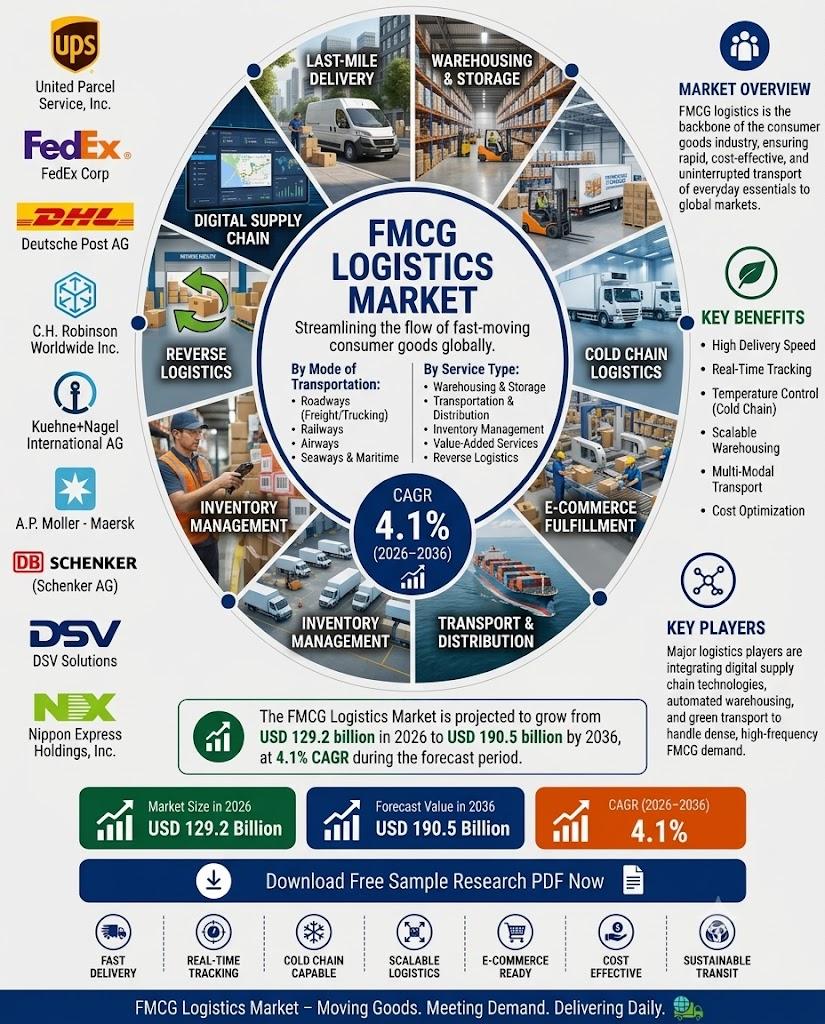
The global FMCG logistics market is projected to expand from USD 129.2 billion in 2026 to USD 190.5 billion by 2036, advancing at a 4.1% CAGR during the forecast period. Rising quick-commerce activity, expanding modern retail networks, e-commerce grocery fulfillment, and investments in freight infrastructure are reshaping how fast-moving consumer goods move from manufacturers to stores and...
Gambling content 21+. The New York Post may receive an affiliate commi sion if you sign up through our links. Read our for more information. The Yankees have Elvis Peralta Jersey some breathing room in the wild-card race, but if weve learned anything from them this season, its that those cushions can disappear in a hurry. That means the Bombers will need to take care of busine s against the...
