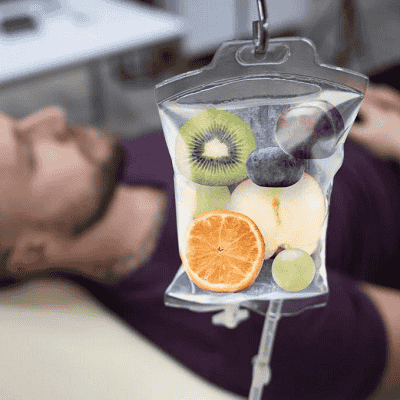
Why People Choose IV Drips for Quick Hydration
Staying properly hydrated is an important part of maintaining energy, concentration, circulation, and overall well-being. Most people can meet their daily fluid needs by drinking water and consuming hydrating foods. However, there are situations when someone may become dehydrated more quickly than usual or have difficulty taking in enough fluids by mouth. In these circumstances, IV Drips have gained attention as a way to deliver fluids directly into the bloodstream.
IV drips, short for intravenous drips, are administered through a vein by a trained healthcare professional. Depending on the purpose and formulation, an IV drip may contain fluids, electrolytes, or other medically appropriate ingredients. Because the fluid enters the bloodstream directly, the process does not depend on the digestive system.
While IV hydration can be useful in certain medical situations, it is not automatically better than drinking fluids. The right approach depends on the cause and severity of dehydration, a person's health status, and professional medical assessment. Understanding how IV drips work can help people make informed decisions about hydration and treatment.
What Are IV Drips and How Do They Work?
IV drips are a method of delivering fluids or medications directly into a vein. A healthcare professional places a small catheter into a suitable vein, usually in the arm or hand, and connects it to an IV fluid bag. The solution is gradually delivered into the bloodstream at a controlled rate.
For hydration purposes, IV fluids commonly contain water along with electrolytes such as sodium and chloride. The exact formulation depends on the individual's needs and the reason for treatment.
One of the main differences between IV hydration and drinking fluids is the route of absorption. Oral fluids travel through the digestive system before water and electrolytes are absorbed. IV fluids bypass that process and enter circulation directly.
This can be particularly relevant when a person cannot comfortably drink enough fluid or when dehydration requires medical attention. However, the direct delivery of IV fluids does not mean that everyone needs an IV drip whenever they feel thirsty or mildly dehydrated.
Why Do People Choose IV Drips for Quick Hydration?
The phrase "quick hydration" is one reason IV drips attract attention. When fluids are administered intravenously, they become available to the body's circulation without having to pass through the gastrointestinal tract.
People may consider IV hydration when they are dealing with circumstances such as significant fluid loss, prolonged vomiting, diarrhea, heavy sweating, or an inability to drink enough. In clinical settings, IV fluids may also be used when healthcare professionals determine that intravenous treatment is appropriate.
Another reason some people seek IV drips is convenience. Someone who feels unable to consume sufficient fluids may find supervised IV hydration easier than trying to drink large amounts at once. That said, convenience should not replace appropriate medical evaluation.
For everyday dehydration caused by ordinary thirst, water and other suitable oral fluids are generally sufficient. IV therapy is more invasive and carries risks that ordinary drinking does not.
Potential Benefits of IV Hydration
When medically appropriate, IV hydration can provide several potential benefits.
Direct Fluid Delivery
Because IV fluids enter a vein, they do not depend on the digestive tract for absorption. This can be useful when oral hydration is difficult or inadequate.
Electrolyte Replacement
Fluid loss can sometimes be accompanied by loss of electrolytes. Electrolytes help support important body functions, including nerve signaling, muscle activity, and fluid balance. Depending on the clinical situation, an IV solution may contain electrolytes chosen by a healthcare professional.
Useful When Drinking Is Difficult
Nausea, vomiting, certain illnesses, or other circumstances can make drinking enough fluids challenging. In such cases, healthcare professionals may use IV fluids as part of treatment.
Controlled Administration
IV fluids can be administered at a controlled rate. This allows healthcare professionals to monitor the amount and speed of fluid delivery according to the person's condition.
It is important to distinguish these medically recognized uses from broad claims that IV drips can automatically boost energy, cure fatigue, or provide general wellness benefits. Such claims may depend heavily on the ingredients used and the individual's underlying condition.
When Might IV Drips Be Considered?
IV hydration may be considered when dehydration is more significant or when oral hydration is not practical or effective enough. Examples can include substantial fluid loss from vomiting or diarrhea, certain acute illnesses, or situations in which a person cannot take adequate fluids by mouth.
Signs of dehydration can include thirst, dry mouth, darker urine, urinating less frequently, dizziness, weakness, and fatigue. More serious dehydration may cause confusion, fainting, rapid heartbeat, or other concerning symptoms.
People experiencing severe symptoms should seek appropriate medical care rather than relying on a wellness-focused IV service. Severe dehydration can sometimes be a sign of an underlying medical problem that needs diagnosis and treatment.
For mild dehydration, drinking water or an appropriate oral rehydration solution may be a simpler and less invasive option. A healthcare professional can help determine which approach is appropriate.
Are IV Drips Safe for Everyone?
IV drips are generally considered a medical procedure rather than an ordinary wellness treatment. Although they can be beneficial when properly indicated, they are not completely risk-free.
Possible complications include pain or bruising where the IV is inserted, irritation of the vein, infection, bleeding, or fluid leakage into surrounding tissue. There can also be risks associated with receiving too much fluid or inappropriate amounts of certain electrolytes.
People with particular medical conditions, including some heart or kidney problems, may require special consideration before receiving IV fluids. The composition and amount of fluid should therefore be selected according to the person's circumstances rather than used as a one-size-fits-all treatment.
For this reason, IV hydration should be administered by appropriately trained healthcare professionals in a setting capable of responding to complications. A proper assessment is especially important for people who have significant symptoms or underlying health conditions.
IV Drips vs. Drinking Fluids: Which Is Better?
For most healthy people who are mildly thirsty or normally dehydrated, drinking fluids is usually the simplest way to restore hydration. Water is accessible, non-invasive, and does not require an IV procedure.
IV drips have a different role. They can be valuable when someone cannot adequately hydrate by mouth or when a healthcare professional determines that intravenous fluids are appropriate.
The choice should therefore be based on need rather than speed alone. Faster delivery is not automatically better, and an IV drip should not be viewed as a replacement for healthy everyday hydration habits.
Regular fluid intake, eating hydrating foods, responding to thirst, and replacing electrolytes when appropriate can all contribute to maintaining normal hydration. During illness, intense physical activity, or substantial fluid loss, additional guidance may be necessary.
What Should People Know Before Getting IV Drips?
Anyone considering IV hydration should first understand why the treatment is being recommended and what the IV solution contains. A qualified healthcare professional should review relevant symptoms, medications, medical history, and potential risk factors.
It can also be helpful to ask whether oral hydration would be sufficient. If the answer is yes, an IV may offer little advantage while still involving the risks associated with an invasive procedure.
People should also be cautious about services that make broad promises about IV drips treating numerous unrelated conditions. Hydration therapy has legitimate medical applications, but claims about guaranteed detoxification, immunity enhancement, anti-aging effects, or dramatic energy improvements may not be supported by strong evidence.
Ultimately, the safest approach is individualized care. IV hydration can be a useful tool when there is a genuine need for intravenous fluids, but it should be used thoughtfully and appropriately.
Frequently Asked Questions About IV Drips
1. What are IV drips used for?
IV drips can be used to deliver fluids, electrolytes, medications, or other medically appropriate substances directly into a vein. For hydration, they may be used when a person has significant fluid loss or cannot take enough fluids by mouth.
2. Do IV drips hydrate the body faster than drinking water?
IV fluids enter the bloodstream directly, whereas water taken by mouth must pass through the digestive system before absorption. However, faster delivery does not mean an IV is necessary for ordinary dehydration. For many people, drinking fluids is sufficient.
3. How long does an IV hydration session take?
The duration can vary depending on the type and amount of fluid being administered, the person's condition, and the healthcare professional's treatment plan. Some sessions may be relatively short, while others require longer monitoring.
4. Are IV drips safe?
IV hydration can be safe when appropriately prescribed and administered by trained healthcare professionals. However, potential risks include bruising, infection, vein irritation, and fluid or electrolyte-related complications. Individual medical circumstances should always be considered.
5. Can everyone get an IV drip for hydration?
Not necessarily. Certain medical conditions can make IV fluids more complicated or require careful fluid management. A healthcare professional should determine whether IV hydration is appropriate based on the person's health and symptoms.
6. Is an IV drip better than drinking water?
Not in every situation. Drinking water is usually adequate for routine hydration in healthy people. IV drips are more appropriate when there is a medical reason for intravenous fluids or when adequate oral hydration is not possible.
Final Thoughts
IV drips can provide a practical method of delivering fluids directly into the bloodstream when intravenous hydration is medically appropriate. Their ability to bypass the digestive system can make them useful for people who have difficulty drinking enough or who have experienced substantial fluid loss.
At the same time, IV hydration is not a universal solution for everyday tiredness or mild thirst. Because an IV involves an invasive procedure, its potential benefits should be weighed against its risks. Professional assessment is particularly important when dehydration is severe, persistent, or accompanied by concerning symptoms.
For people researching IV Drips, the most important consideration is not simply how quickly fluids can be delivered, but whether intravenous hydration is actually appropriate for the individual's situation. Making that distinction can help support safer and more informed healthcare decisions.
Read More About IV Drips: https://tanbat.com/articles/can-iv-drips-help-you-feel-better-after-illness-fxwshj
Bub
Do?
Categorías
Read More
在現今快速發展的數位娛樂時代,線上博彩與彩票遊戲已經成為許多玩家放鬆身心、追求刺激與財富的重要選擇。而在眾多遊戲平台中,Game Queen彩票憑藉著其獨特的遊戲機制、流暢的操作體驗以及豐富的玩法,吸引了無數愛好者的目光。這款遊戲不僅融合了傳統彩票的緊張感,更結合了現代網路娛樂的便捷性,為玩家帶來前所未有的頂級博彩享受。本文將為您深入剖析這款熱門遊戲的方方面面,從核心玩法到進階策略,助您在娛樂世界中游刃有餘。 一、 認識與探索:深入理解核心魅力 在數位娛樂的浪潮中,玩家對於遊戲品質的要求日益提高。Game Queen彩票之所以能夠在競爭激烈的市場中脫穎而出,關鍵在於其對遊戲細節的極致追求與對玩家需求的精準掌握。 1. 遊戲背景與平台定位 該平台專注於打造公平、公正且充滿趣味的線上博彩環境。作為其中的明星項目,Game...

Le jeu de casino en ligne est devenu une activité de loisir populaire en France, avec des centaines de sites proposant diverses options de jeux. Cependant, les joueurs francophones recherchent souvent des casinos en ligne fiables et sécurisés qui leur offrent une expérience immersive et excitante. Dans cet article, nous allons vous présenter les meilleures...

The Composite Railing and Decking Market is projected to increase from USD 5.1 billion in 2026 to USD 15.1 billion by 2036, according to Fact.MR analysis, reflecting an 11.4% CAGR over the forecast period. The market was valued at USD 4.6 billion in 2025. Demand is being supported by the replacement of pressure-treated lumber, residential renovation activity, and growing use of materials that...

Shogun Films and Trinity Content join forces to create vertical microdrama 'Swipe!' marking their entry into the booming short-form format arena. Leading the cast is actor Nick Moran stepping into the villain role for this South London crime thriller. The story centers on three young men who stumble upon dangerous contraband during a small-time shop robbery becoming hunted prey across a lethal...
The Integrated Bridge Systems Market is evolving rapidly as digital transformation reshapes the maritime industry. With a valuation of USD 7.4 billion in 2024 and projections reaching USD 13.9 billion by 2035, the market is experiencing steady growth at a CAGR of 5.95%. This growth is driven by the increasing adoption of digital technologies that enhance navigation efficiency and operational...