Crypto.

 Passport
 Conference call
 send money
 الشروط
 الخصوصية
 Sierra market
Book Style vs Collapsible Rigid Packaging: Which Box Fits Your Brand?
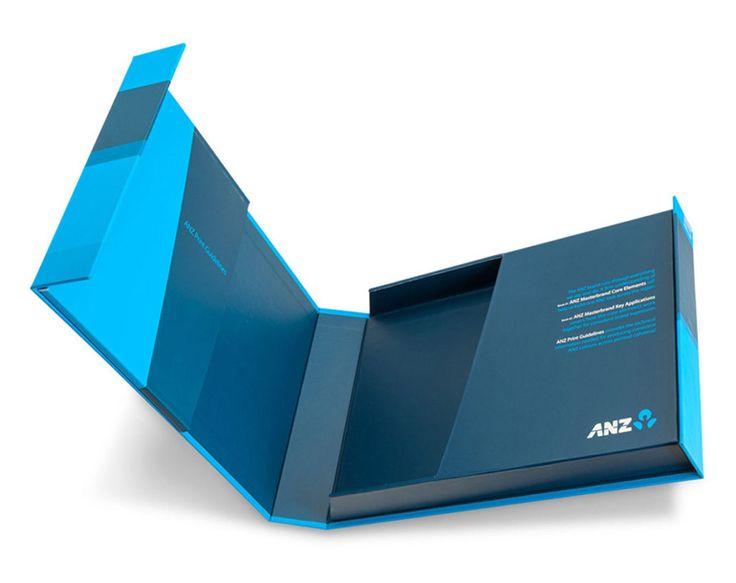
Choosing Between a Hinged Showpiece and a Flat Packing Workhorse
If you sell premium products, the box is the first thing your customer touches. Book Style Rigid Boxes give you a dramatic reveal and a keepsake feel, while collapsible options save serious money on storage and freight. The right pick depends on what you sell, how you ship, and how much shelf drama you want.
Why Rigid Packaging Still Wins at the Premium End
Flimsy folding cartons do their job, but they rarely make anyone say "wow." Rigid boxes are built from thick paperboard wrapped in printed or textured paper, and that weight signals value before the lid even moves.
The numbers back this up. A Paper and Packaging Board survey found that 72 percent of American consumers say packaging design influences their purchasing decisions. When the product inside costs more than a casual impulse buy, the container stops being an afterthought and becomes part of the product.
What "rigid" really means for your budget
Rigid boxes cost more per unit than folding cartons because they are assembled in several stages, often with a good amount of hand work. The tradeoff is durability, a better unboxing moment, and a higher chance that customers keep the box instead of recycling it.
The Hinged Showpiece: How Book Style Boxes Work
Picture a hardcover book. The front cover swings open on a spine, usually held shut by a magnet or a ribbon. Inside, you can place a foam insert, a velvet tray, or a printed sleeve to cradle the product.
Brands use Book Style Rigid Boxes for things like:
- Jewelry and watch sets
- Premium skincare and fragrance kits
- Corporate gift and onboarding packages
- Certificates, photo sets, and keepsake items
Why customers love the opening
The hinge controls how the box opens. Your customer sees the product at the exact angle you planned, with nothing popping out sideways. That staged reveal is a big reason this format shows up so often in gifting and influencer unboxing videos.
Where it can fall short
The structure is fixed once built. A finished unit takes the same space whether it is empty or full, so warehouse and freight costs climb as your order grows. If you ship thousands of units to a distant fulfillment center, that bulk adds up fast.
The Flat Packing Workhorse: Why Collapsible Designs Exist
Collapsible rigid boxes fold flat for transport and snap open into a firm, finished shape when the customer or your packing team assembles them. You still get the thick board and the premium wrap, but you ship air only after the box is set up.
Custom Collapsible Rigid Boxes make the most sense when volume is high or storage is tight. A pallet of flat units holds many more boxes than a pallet of pre-formed ones, which can noticeably reduce freight charges and warehouse rent.
Assembly is simpler than it sounds
Most designs use a ribbon pull, a magnetic closure, or hidden panel hinges. A trained packer can open one in a few seconds. Once the habit forms, the extra step barely registers in your workflow.
Watch the trade-offs
Fold lines and seams exist, so the walls can feel slightly less monolithic than a fully fixed box. For most retail uses nobody notices, but ultra luxury launches sometimes justify the sturdier fixed build.
Side by Side: Which Format Fits Which Situation
Think in terms of three questions.
How are you shipping?
Direct to consumers in large numbers? Flat packing helps. Hand delivering to a few dozen VIP clients? A fixed hinged box is worth the extra space.
What are you protecting?
Fragile glass or heavy items usually benefit from a fixed structure with a custom insert. Lighter goods such as apparel, candles, or stationery do well in both formats.
What story are you telling?
A fixed lid with a spine feels like opening a gift. A collapsible box feels clean, modern, and practical. Neither is better by default. They simply say different things about your brand.
A simple rule of thumb
Under a few hundred units and a gifting purpose, lean toward the hinged showpiece. Above a few thousand units with warehouse pressure, lean toward the flat version. In between, request samples of both and compare them in your hands.
Practical Tips Before You Place an Order
- Order a physical sample. Screens lie about color, texture, and magnet strength.
- Finalize product dimensions first. Adding a few millimeters later can change the whole tooling setup.
- Plan your finishing budget. Foil stamping, embossing, and soft touch lamination all raise the price, so choose one or two that matter most.
- Ask about lead times. Rigid production often takes longer than standard cartons, especially around holidays.
- Check recyclability. If sustainability is part of your brand, ask for FSC certified board and water based adhesives.
Frequently Asked Questions
Are hinged rigid boxes more expensive than collapsible ones?
Usually the unit price is similar, but total cost can differ. Fixed boxes cost more to store and ship because they take up more space. Flat designs often save money once volume grows.
Can I add a custom insert to either style?
Yes. Foam, molded pulp, paperboard, and fabric wrapped trays all work in both formats. Just confirm with your supplier that the insert will not stop a collapsible box from folding flat.
What is a realistic minimum order quantity?
Many manufacturers start somewhere between 100 and 500 units, depending on finishing and size. Smaller runs are possible, but the per box cost rises.
Final Thoughts
Packaging is not decoration. It is the handshake before your product has a chance to speak. Pick the hinged build when presentation is the priority and volumes are modest. Pick the flat packing route when logistics matter as much as looks. Whichever way you go, test a sample, trust your hands, and let the box carry the same quality your customers expect from what is inside.
Bub
Do?

الأقسام
إقرأ المزيد
The Straight Pattern Globe Valves Market is witnessing steady growth due to their widespread use in controlling fluid flow in pipelines. These valves are commonly used in industries such as oil and gas, power generation, water treatment, and chemical processing. Their ability to regulate flow with precision makes them essential for critical operations. Increasing infrastructure development and...
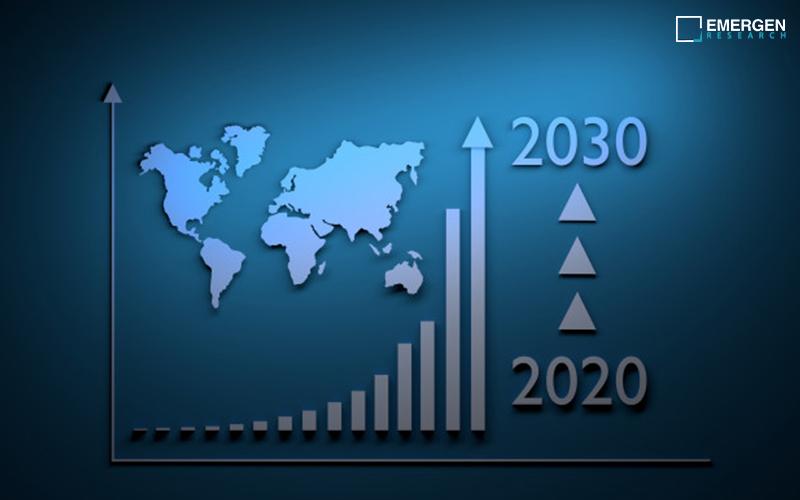
عند الحديث عن دهون البطن، قد يبدو الأمر للوهلة الأولى وكأنه نوع واحد من الدهون، لكن الجسم في الواقع يخزن الدهون في أماكن وطبقات مختلفة، ولكل نوع خصائصه وطريقة تعامله مع الجسم. ولهذا السبب قد يلاحظ الشخص أن بروز البطن لا يتغير بالطريقة نفسها التي تتغير بها الدهون الموجودة تحت الجلد في مناطق أخرى من الجسم. ويساعد فهم هذا الاختلاف على تكوين توقعات أكثر واقعية عند التفكير في إجراءات نحت الجسم، بما...
Королевская битва PUBG продолжает бить рекорды, привлекая внимание геймеров и аналитиков. Создатель игры Брендан Грин опубликовал в Twitter сообщение о важном достижении: шутер впервые поднялся на вторую строчку топа Steam по числу одновременных игроков. В тот момент в игре находилось почти 240 тысяч человек, а первое место удерживала Dota 2. Counter-Strike вскоре вернул себе утраченные...

Story Choice and Perspectives Navigating the dual perspectives of Duet Night Abyss requires a choice between its central figures. Each path offers a distinct narrative lens shaping the entire adventure. Your selection determines the story's flow and the challenges you will face. Understanding the second protagonist's role is crucial before committing to a journey. This decision defines your...
Facial rejuvenation has changed dramatically over the past decade. While cosmetic surgery was once considered the only effective way to address skin laxity and visible signs of ageing, advances in aesthetic medicine have introduced treatments that deliver noticeable improvements without incisions or lengthy recovery. Today, more people are choosing non-invasive procedures that...