


 Crypto.
 Sobre
Sobre
 Passport
 Conference call
 send money
 Termos
 Privacidade
 Sierra market
Natural Hairstyles for Work: Balancing Professionalism and Personal Style
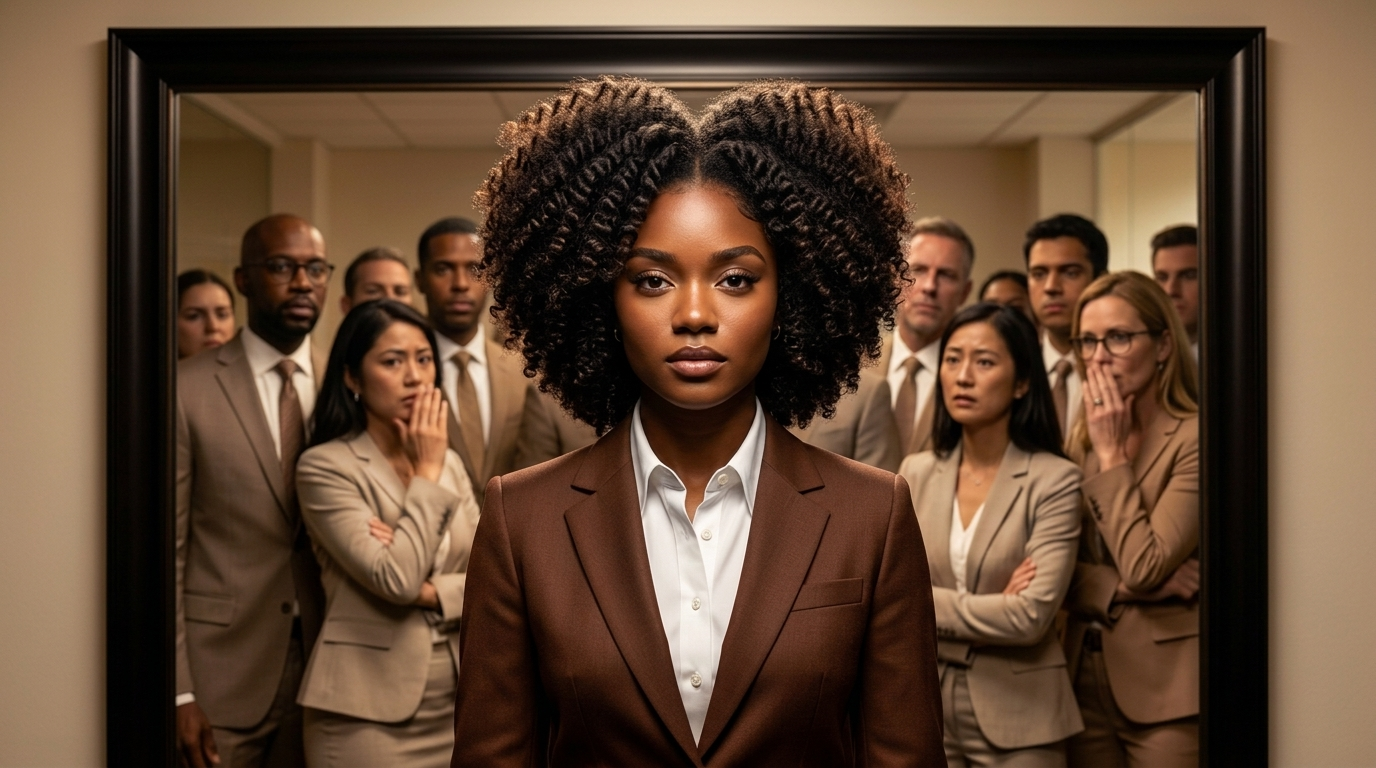
Choosing a hairstyle for the workplace can be a meaningful way to express personality while maintaining a polished appearance. Natural hair offers remarkable versatility, allowing professionals to move between curls, twists, braids, buns, and other sophisticated styles. The best natural hairstyles for work should feel authentic while also fitting the expectations of your workplace and daily schedule. With thoughtful styling and consistent care, you can create a professional appearance without feeling pressured to hide your natural texture.
Professionalism does not require everyone to follow the same hairstyle rules. Workplace culture, industry expectations, personal preferences, and practical responsibilities can all influence what feels appropriate. A creative office may welcome more expressive styles, while a formal environment may favor structured and understated looks. Understanding your surroundings allows you to make confident choices while still maintaining your individuality and caring for your natural hair.
Understanding Professional Natural Hair Styling
Professional hair styling is less about following a strict definition and more about creating an intentional, well-maintained appearance. Clean sections, controlled volume, defined curls, neat edges, and an overall finished shape can contribute to a polished look. At the same time, natural hair does not need to be completely sleek or highly structured to appear professional. Texture, volume, and individuality can remain central features of your hairstyle.
Your personal comfort should also influence your choices. A hairstyle that looks polished but requires constant adjustment may become frustrating during a busy workday. Consider how long the style will remain manageable and whether you can maintain it without excessive manipulation. The most successful workplace hairstyle is often one that combines appearance, comfort, durability, and realistic maintenance.
Choose Styles That Suit Your Workplace
Before selecting a hairstyle, consider the environment in which you work. Client-facing positions, formal corporate offices, healthcare settings, education, creative industries, and remote workplaces can have very different expectations. Review your employer's grooming guidelines if they exist and observe the general workplace culture. This information can help you decide whether you prefer a conservative style, a more expressive look, or something that sits comfortably between the two.
You should not have to abandon your personal identity to create a workplace-ready appearance. Instead, think about how your preferred styles can be adapted to your environment. A defined natural hairstyle can be shaped neatly, while twists or braids can be arranged in a clean and intentional pattern. Small changes in length, accessories, parting, or styling technique can make a familiar hairstyle feel appropriate for different professional settings.
Defined Curls and Natural Texture
Defined curls can be an excellent choice when you want your natural texture to remain visible while creating a polished appearance. Depending on your curl pattern and hair characteristics, techniques such as twist-outs, braid-outs, or curl-defining routines can produce different finishes. The goal is to enhance your natural texture rather than forcing it into an appearance that requires constant heat or manipulation. Proper moisture and suitable styling products can also help maintain definition.
A carefully shaped natural style can offer another practical option. Short cuts, tapered shapes, rounded silhouettes, and medium-length textured styles can all work in professional environments. Regular maintenance can help preserve the shape and make daily styling easier. When choosing a cut, consider your hair density, face shape, lifestyle, and willingness to maintain the look between appointments.
Braids for Professional Workplaces
Braids are versatile enough to suit many different professional environments when they are thoughtfully selected and maintained. Simple cornrows, medium-sized box braids, braided buns, flat twists, and other structured options can create a polished appearance while reducing daily styling time. When considering braids for work, think about length, size, color, accessories, and overall neatness. These details can influence whether a particular style feels suitable for your workplace.
Comfort and hair health should remain important when choosing braided styles. Excessive tension can place unnecessary stress on the scalp and hairline, especially when styles are installed too tightly or worn continuously. Communicate your comfort level with your stylist and avoid treating pain as an unavoidable part of the process. A well-designed protective style should be practical and attractive without compromising reasonable hair-care practices.
Buns, Updos, and Twisted Styles
Natural buns and updos can create a refined appearance while keeping hair organized throughout the workday. A low textured bun, twisted updo, puff, or carefully arranged natural style can work well with professional clothing. These looks can also be adapted depending on how formal your workplace is. Choosing softer techniques rather than pulling the hair tightly can make the style more comfortable for regular wear.
Twists offer another flexible option for professionals who want low daily manipulation. Flat twists can create structured designs, while individual twists can be worn down or gathered into an updo. You can also vary your parting and finishing techniques without completely changing your routine. Having several dependable variations of the same basic style can make your workweek easier while giving you opportunities to express your personal style.
Protect Hair Health While Styling
Maintaining healthy hair should remain a priority regardless of how formal your workplace is. Excessive heat, repeated chemical processing, tight styling, and aggressive detangling can contribute to unnecessary stress over time. A consistent routine involving appropriate cleansing, conditioning, moisturizing, gentle handling, and occasional professional assessment can support healthier styling. Your chosen hairstyle should fit into that routine rather than undermine it.
Pay attention to how your hair and scalp respond to your regular styling habits. Persistent tenderness, increased breakage, excessive dryness, or changes around the hairline may indicate that something needs to change. Rotating hairstyles and reducing repeated tension can help minimize stress on specific areas. If you are concerned about your hair's condition, an experienced stylist can provide personalized guidance based on its texture, density, and current needs.
Make Your Morning Routine More Efficient
A professional hairstyle should ideally make your workday easier rather than create additional stress. Consider preparing your hair the night before and protecting your style while sleeping. Depending on your hair type, a satin or similarly gentle covering can help reduce friction and preserve your hairstyle. In the morning, refresh only the areas that need attention instead of completely restyling your hair every day.
It is useful to maintain a small collection of products and tools that consistently work for your hair. Constantly changing products can make it harder to understand what your hair responds well to and may create unnecessary buildup. Once you discover a dependable routine, repeat it consistently and make adjustments when your hair's condition changes. Simplicity can be especially valuable during busy workweeks when time is limited.
Coordinate Hair With Personal Style
Your hairstyle can complement your professional wardrobe without matching every individual outfit. Think about the overall impression you want to create and choose styles that work with the clothing you already own. Structured workwear can pair beautifully with natural curls, twists, buns, and braids, while more relaxed outfits can accommodate equally polished textured styles. The goal is a cohesive appearance rather than a rigid formula.
Personal style should remain part of the equation. Hair can be one of the easiest ways to introduce individuality into a professional wardrobe, particularly when clothing choices are relatively classic. Subtle variations in texture, parting, shape, accessories, or length can help you create different looks without constantly changing your entire routine. Confidence often comes from knowing that your appearance feels like you while still fitting comfortably within your professional environment.
Build a Versatile Weekly Hair Routine
Instead of searching for one hairstyle that works perfectly every day, consider creating a small rotation of reliable options. You might wear defined curls on one day, transition into a low bun later in the week, and use twists or braids when you need lower maintenance. Rotating styles can also reduce repeated stress on the same areas of your hair. Planning ahead makes it easier to maintain a polished appearance without excessive daily manipulation.
Your weekly routine should reflect your actual schedule. Meetings, presentations, commuting, travel, exercise, and social events may all influence which hairstyle is most practical. Choose more secure styles on demanding days and styles that require less preparation when your schedule is lighter. A flexible approach gives you room to express your personality while keeping your hair manageable and comfortable.
Finding the Right Balance
The best natural hairstyles for work combine professionalism with authenticity rather than forcing you to choose between the two. Defined curls, natural cuts, buns, twists, and braids for work can all create polished appearances when they are appropriate for the workplace and maintained thoughtfully. Your hair texture does not need to be hidden to look professional. Instead, focus on intentional styling, comfort, cleanliness, healthy practices, and a finish that makes you feel confident.
Ultimately, professional style is about presenting yourself in a way that feels appropriate and genuine. Learn your workplace culture, understand your hair's needs, choose manageable styles, and communicate clearly with your stylist when you need guidance. By creating a practical rotation of natural hairstyles, you can protect your hair while enjoying the versatility of your natural texture. The result is a professional look that supports both your career and your personal sense of style.
Bub
Do?

Categorias
Leia Mais
The Story Behind the Loverboy Hat The Loverboy hat is far more than a simple accessory designed to complete an outfit. It represents a playful, rebellious approach to fashion where personality matters just as much as clothing. With its distinctive character, unusual proportions, expressive details, and unmistakable attitude, the hat has become closely associated with the creative world...

Europe Black Soldier Fly Market is increasingly connected with innovation in animal nutrition, alternative feed resources, insect cultivation, and sustainable agricultural production. The search for diversified feed inputs is encouraging manufacturers and researchers to investigate insect-derived materials for appropriate applications. Black soldier fly biomass can provide protein and other...

A 45-year-old California man was arrested after allegedly hiding inside a Best Buy overnight to get his hands on highly sought-after Pokémon cards before the store opened. The incident occurred in the early hours of April 29, when police responded to a call shortly after 1 AM. Burglary Attempt Foiled Employees monitoring a live feed spotted the man inside the closed store and contacted...

Dans une ravine à l'est du Temple ancestral, un campement Fatui abrite un laboratoire secret. Votre objectif : stopper leurs expériences en activant deux mécanismes puis en fermant la valve centrale. Suivez ce guide pas-à-pas pour obtenir le succès « Résistance vertueuse » et un coffre luxueux. Accès au laboratoire La route...
Market Report Analysis The global manufacturing sector, international aviation industries, and high-precision electronic engineering corridors are executing a crucial transition toward advanced surface modification technologies. As modern mechanical assemblies are pushed to operate under higher speeds, intense chemical exposure, and unprecedented thermal limits, substrate metals require...
