


 Crypto.
 Sobre
Sobre
 Passport
 Conference call
 send money
 Termos
 Privacidade
 Sierra market
From Contact Materials to Assembly: Understanding Power Connector Design
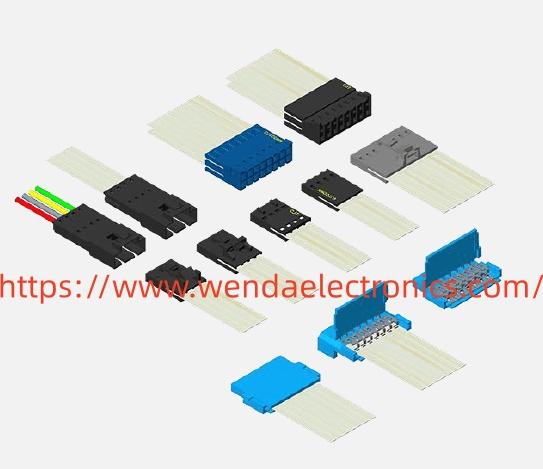
Modern electronic equipment requires dependable connections between circuit boards, power sources, and functional modules. When selecting a BTB Power Connector, engineers need to consider how conductive materials, contact geometry, insulation, and mechanical integration work together. Zhejiang Wenda Electronics Co., Ltd. offers board-to-board connector products for electronic applications, making connector selection an important part of coordinating electrical requirements with the physical structure of a device.
Material selection establishes the foundation of connector construction. Conductive contacts are commonly made from copper alloys because they combine electrical conductivity with the mechanical characteristics needed for forming and repeated engagement. Surface plating can help protect contact areas and support stable electrical interfaces. The appropriate material and finish depend on the intended application, environmental exposure, and expected connection behavior.
The insulating housing has a different but equally important role. It separates conductive paths, supports the contacts, and helps maintain their intended arrangement within the assembly. Engineering plastics are commonly used because they can provide electrical insulation and allow complex housing shapes to be molded. Material selection should account for the manufacturing process, surrounding heat sources, mechanical stress, and the conditions in which the finished device will operate.
A purchasing decision should begin with the architecture of the electronic product. Engineers may need to connect a main circuit board with a power distribution board, display module, control board, or another internal assembly. The connector must fit the intended board arrangement while supporting the required electrical relationship. Reviewing circuit diagrams, board layouts, and the overall enclosure design can help buyers identify a suitable connector family before production planning advances.
Electrical requirements deserve careful consideration. Power connections carry energy to components that depend on a stable supply, so contact design and the surrounding circuit layout both matter. Engineers should evaluate the intended electrical load, contact arrangement, insulation needs, and heat-management conditions together. A connector should not be selected on physical fit alone, because an apparently compatible component may not be suitable for the electrical demands of the complete system.
Mechanical integration is another important factor. Board-to-board connections can use stacked, coplanar, or perpendicular arrangements, depending on how circuit boards are positioned. Each approach affects the use of internal space, accessibility, and the way components are assembled. Alignment between mating connectors is particularly important because poor positioning can place stress on contacts, solder joints, or circuit boards. Considering tolerances and assembly movement early can help reduce fitting problems.
Connector technology also influences how electrical and mechanical functions interact. When mating components engage, the contacts create a conductive path while the housing helps guide and support the connection. Contact shape, spring characteristics, retention features, and plating can influence connection stability. In power applications, the design must also consider electrical resistance and heat generation. Appropriate connector selection therefore involves both the contact interface and the surrounding PCB design.
Manufacturing consistency contributes to the quality of the final connection. Contact stamping, forming, plating, housing molding, and final assembly require coordinated processes. Variations in contact shape or housing fit can complicate assembly and affect the finished product. Inspection of materials, contact surfaces, and assembled components can help manufacturers identify inconsistencies before connectors are integrated into larger electronic systems.
User experience in electronic manufacturing is closely connected with assembly convenience. Connectors that guide mating components into position can help technicians and automated equipment complete assembly more consistently. Clear orientation, suitable retention, and accessible placement also make it easier to inspect or replace connected modules. These details become especially relevant in compact devices, where surrounding components can restrict access during installation and service.
Maintenance and product lifecycle should influence purchasing decisions as well. Some electronic assemblies are designed for permanent integration, while others require modules to be disconnected during inspection, repair, or replacement. Buyers should consider whether the connection is intended for occasional servicing or routine mating and unmating. The surrounding enclosure should provide enough access for the intended service process without placing unnecessary stress on the connector or PCB.
Design and appearance are closely related to space planning. A compact connector can help organize internal layouts, while a suitable housing shape can guide contact alignment and reduce the chance of incorrect mating. Housing color, visible contours, and the arrangement of exposed features may also help distinguish connector positions during assembly. Although appearance is secondary to electrical suitability, a well-organized physical design can make electronic products easier to manufacture and maintain.
Customization can be useful when a standard connector does not fit the product's board arrangement or power-distribution needs. Buyers may need a particular orientation, contact layout, housing configuration, or integration approach. Zhejiang Wenda Electronics Co., Ltd. presents board-to-board connector products for applications where electrical connections between circuit boards must be coordinated with physical layout requirements. Early communication about the intended use, board structure, assembly process, and operating environment can help clarify product suitability. More information about the company's connector range is available at https://www.wendaelectronics.com.
Bub
Do?

Categorias
Leia mais
This remarkable contraption was assembled to mark two decades since the debut of the initial Harry Potter movie, featuring an exciting partnership with the content creators at WatchMojo. The project showcases an elaborate domino effect constructed entirely from licensed Harry Potter merchandise. These complex mechanical sequences—known as chain reaction machines—are carefully...

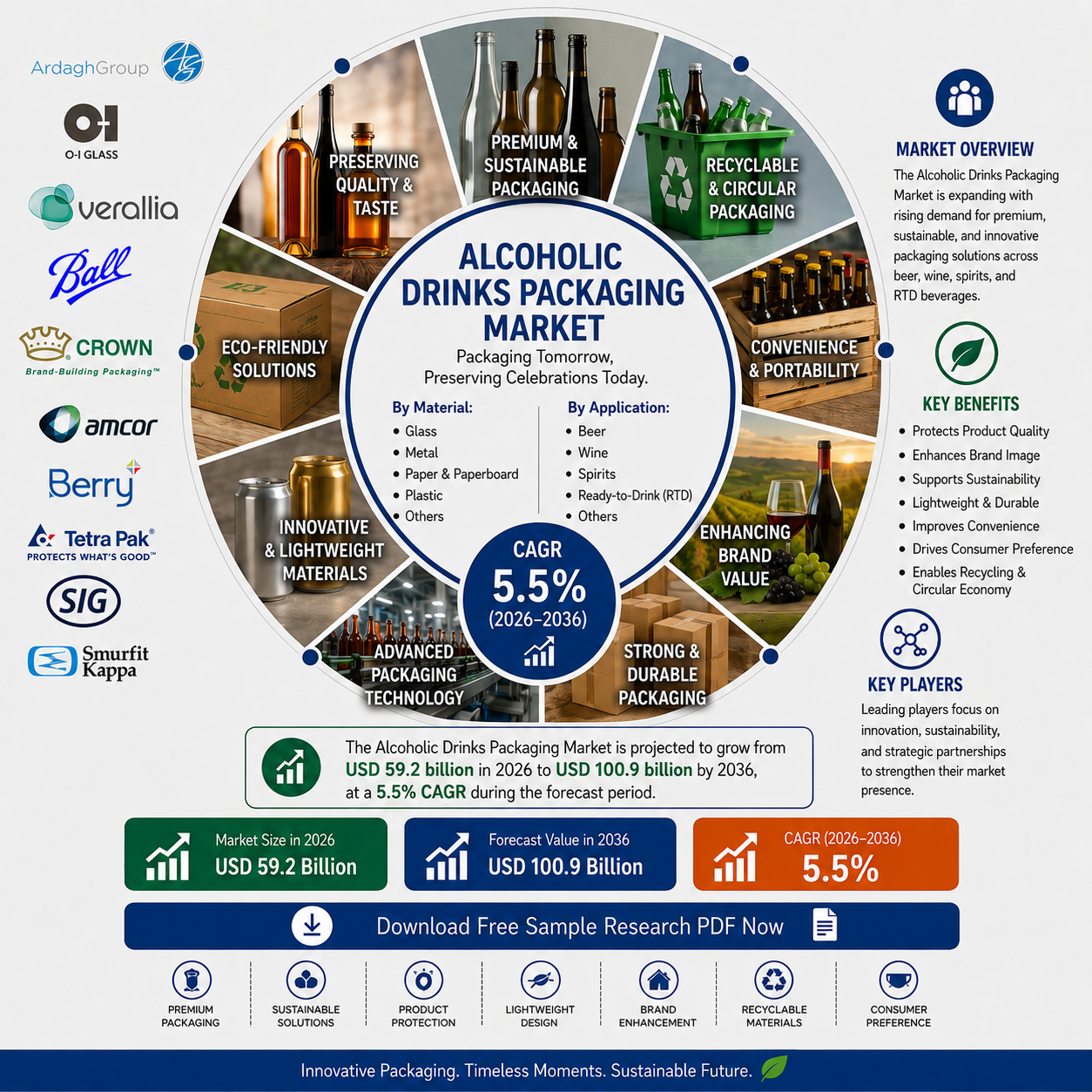
The global Alcoholic Drinks Packaging Market is estimated to reach USD 59.2 billion in 2026 and USD 100.9 billion by 2036, according to Future Market Insights, expanding at a compound annual growth rate of 5.5% during the 2026–2036 forecast period. The forecast represents absolute dollar growth of USD 41.7 billion over the decade. Why now? Rising demand for alcoholic beverages,...
Introduction to FC 26 Accelerate In the evolution of player movement mechanics, Accelerate was first brought to FIFA 23 for next-generation consoles, aiming to make virtual footballers’ running patterns more authentic and nuanced. Drawing from the unique ways professional players move—where two athletes may have equal speed but differ in how they reach top pace—the system...
L'Univers Krosmoz De l'étreinte primordiale entre deux forces, naquit un cosmos aux dimensions plurielles. Cet œuf-univers, nommé Krosmoz, abrite les galaxies où prennent vie Dofus et Wakfu. Il est le reflet d'une identité créative unique, mais aussi le socle d'ambitions stratégiques grandissantes. Comme l'entité qui lui donna naissance,...
Netflix Eyes Continuation of Beloved 'Gilmore Girls' Saga Following the immense success of the revival miniseries, Netflix executives are reportedly exploring options to bring more episodes of the cherished series to viewers worldwide. While discussions remain in early stages with no guarantees, the streaming giant is reportedly committed to continuing the story due to overwhelming audience...
