Crypto.
 Über
Über
 Passport
 Conference call
 send money
 Bedingungen
 Datenschutz
 Sierra market
How Do You Select the Correct Pull Stud for a CNC Toolholder?
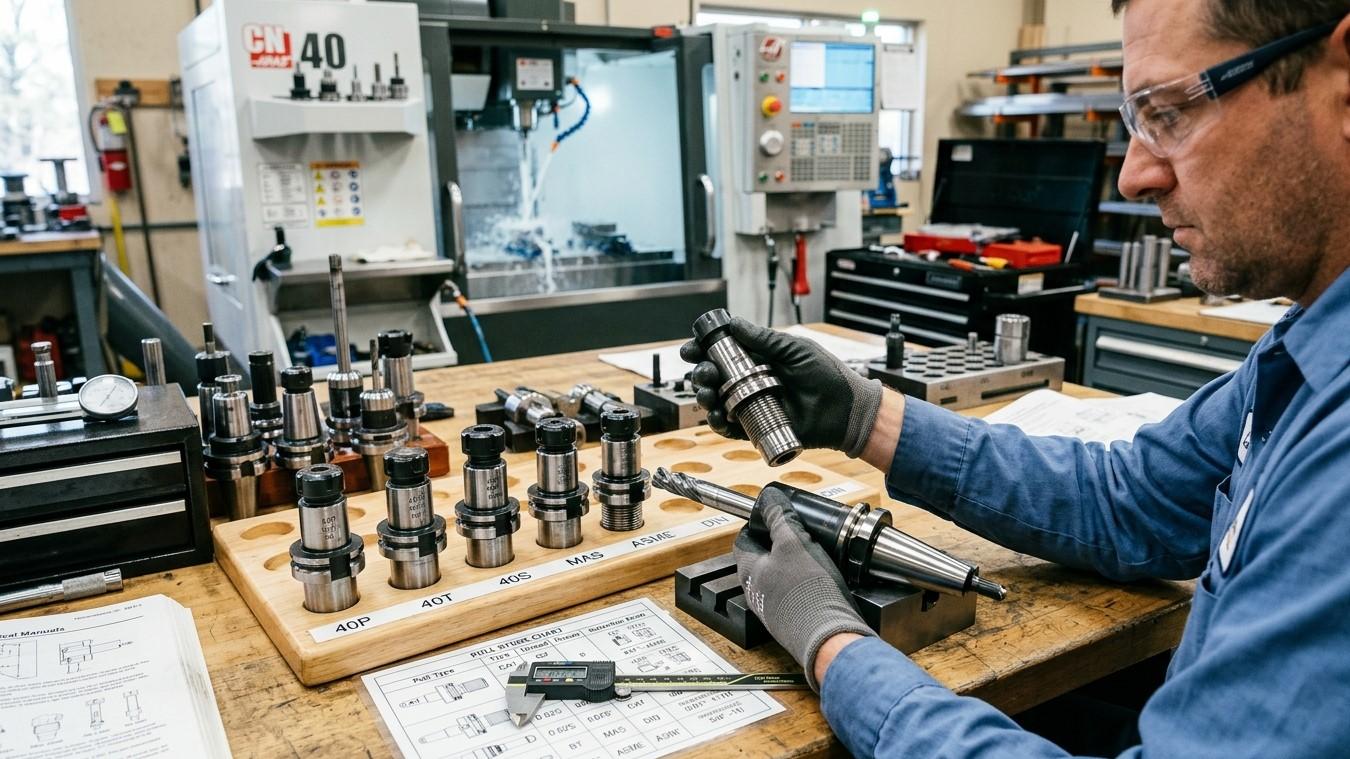
Selecting the correct pull stud is essential for safe and reliable CNC machining. Although it is a small component, the pull stud plays a critical role in securing the toolholder inside the machine spindle. Choosing the wrong type can lead to poor clamping, toolholder movement, spindle damage, and serious safety risks.
For workshops and manufacturers, understanding pull stud compatibility helps prevent equipment problems and maintain consistent machining performance. Khokhawala Trading LLC, an Industrial Tools Supplier in Dubai, supports industrial businesses seeking suitable tooling solutions for their machining requirements.
This guide explains what a CNC pull stud is, how to identify the correct type, which specifications matter, and how to maintain it for reliable performance.
Table of Contents
-
What Is a CNC Pull Stud?
-
Why Is the Correct Pull Stud Important?
-
Types of CNC Pull Studs
-
Key Factors to Consider When Selecting a Pull Stud
-
How to Identify the Correct Pull Stud
-
Common Pull Stud Selection Mistakes
-
Maintenance and Inspection Tips
-
Frequently Asked Questions
-
Conclusion and CTA
1. What Is a CNC Pull Stud?
A CNC pull stud, also known as a retention knob, is a component fitted to the rear of certain CNC toolholders. It engages with the machine spindle's drawbar mechanism, which pulls the toolholder into the spindle and keeps it securely seated during machining.
Pull studs are commonly used with steep-taper toolholder systems such as BT and CAT. Their design varies according to the holder standard, machine manufacturer, and clamping mechanism.
Although pull studs may look similar, their thread sizes, gripping angles, lengths, and other dimensions can differ. Therefore, selecting one based only on appearance or nominal toolholder size is not sufficient.
2. Why Is the Correct Pull Stud Important?
The pull stud must work correctly with both the toolholder and the machine's retention mechanism.
Reliable Clamping
A compatible pull stud allows the drawbar to grip the holder as intended, helping maintain a secure spindle connection.
Machining Accuracy
Correct retention supports consistent toolholder seating. An incompatible or damaged pull stud can contribute to poor repeatability and machining instability.
Spindle Protection
Using the wrong retention knob can cause abnormal contact, wear, or damage to the spindle and toolholder.
Operational Safety
The pull stud is part of a safety-critical clamping system. Failure can allow the holder to loosen or become improperly retained, creating a risk of tool ejection or machine damage.
For these reasons, always verify compatibility before installation.
3. Types of CNC Pull Studs
Pull studs are available in different designs to suit specific toolholder and machine interfaces.
BT Pull Studs
BT pull studs are used with compatible BT toolholder systems. Common holder sizes include BT30, BT40, and BT50.
The correct pull stud depends on more than the BT size. Thread specifications, gripping geometry, dimensions, and machine requirements must also be checked.
CAT Pull Studs
CAT pull studs are designed for compatible CAT toolholders, which are widely used in North American machining environments.
CAT retention knobs can differ in thread, angle, length, and other dimensions. A CAT40 pull stud should not be selected solely because the holder is marked CAT40.
DIN and Other Standardized Designs
Some toolholder systems use retention components manufactured to particular DIN, ISO, JIS, MAS, or other specifications. The applicable standard and machine requirements must be verified before ordering.
Coolant-Through Pull Studs
Some CNC machines deliver coolant through the spindle and cutting tool. These applications may require pull studs with a specific coolant passage, sealing arrangement, or O-ring configuration.
Not every pull stud supports through-spindle coolant, so the coolant requirements must be confirmed before purchase.
4. Key Factors to Consider When Selecting a Pull Stud
4.1 Toolholder Type and Size
First, identify the exact toolholder system used by the machine. Confirm whether it is BT, CAT, or another compatible standard, along with the holder size.
Remember that matching size numbers do not guarantee compatibility between different standards.
4.2 Thread Size and Pitch
The pull stud's thread must match the threaded hole in the toolholder. Threads may differ in diameter, pitch, and measurement system.
Never force a pull stud into a threaded hole that does not match. Incorrect threading can damage the holder and compromise retention.
4.3 Gripping Angle
The drawbar grips a specific surface on the pull stud. The angle and shape of this surface must match the machine's retention mechanism.
A pull stud with the wrong gripping geometry may not engage or clamp properly, even if its thread fits.
4.4 Overall Length and Critical Dimensions
The pull stud must have the correct overall length, shoulder position, head diameter, and other critical dimensions.
Incorrect dimensions can affect drawbar engagement and toolholder seating. Use the machine manufacturer's drawing or approved part number whenever possible.
4.5 Machine Manufacturer and Model
Different machine manufacturers may specify different retention knobs for holders with similar taper sizes.
Confirm the machine make, model, spindle interface, and applicable retention specification before purchasing a replacement.
4.6 Coolant Requirements
If the machine uses through-spindle coolant, verify whether the pull stud needs a coolant hole, seal, or specific internal passage.
Selecting the wrong design can interfere with coolant delivery or sealing.
4.7 Material and Quality
Choose a pull stud manufactured from suitable material and according to the required strength and dimensional specifications.
Because it is exposed to repeated clamping forces, the component should be sourced from a reputable supplier and used within the manufacturer's operating requirements.
5. How to Identify the Correct Pull Stud
Follow these steps to reduce the risk of selecting an incompatible component.
Step 1: Check the Machine Manual
Look for the specified retention knob or pull stud part number in the machine documentation. This is usually the best starting point.
Step 2: Identify the Toolholder Standard
Confirm the holder interface and size, such as BT40 or CAT40. Do not assume the size alone identifies the complete pull stud specification.
Step 3: Check the Existing Pull Stud
If replacing an existing component, inspect its markings and part number. Compare its dimensions with the manufacturer's drawing.
Step 4: Verify the Thread and Geometry
Confirm the thread size and pitch, gripping angle, overall length, and other specified dimensions.
Step 5: Confirm Coolant Compatibility
Check whether the application requires a sealed or through-coolant design.
Step 6: Verify Before Installation
Compare the selected pull stud against the machine manufacturer's specifications. If any detail remains uncertain, consult a qualified tooling supplier or machine technician before using it.
6. Common Pull Stud Selection Mistakes
Avoid these common errors when ordering or installing pull studs:
-
Choosing a pull stud based only on BT or CAT size
-
Assuming similar-looking designs are interchangeable
-
Ignoring thread size and pitch
-
Overlooking the gripping angle
-
Selecting the wrong overall length
-
Using an incompatible coolant-through design
-
Installing a damaged or worn pull stud
-
Tightening without following the specified procedure
-
Ignoring machine-specific requirements
These mistakes can affect clamping reliability, damage precision components, and create unnecessary maintenance costs.
7. Maintenance and Inspection Tips
Regular inspection helps maintain a reliable toolholding system.
Inspect for Wear and Damage
Look for cracks, damaged threads, deformation, corrosion, and unusual wear on the gripping surface. Replace components that fail inspection criteria.
Follow the Correct Tightening Procedure
Use the tightening method and torque specified by the pull stud or toolholder manufacturer. Excessive tightening can damage threads or components, while insufficient tightening may allow the connection to loosen.
Keep Components Clean
Remove chips, oil, and other contaminants using an appropriate cleaning procedure. Ensure that the toolholder and relevant contact surfaces are clean before assembly.
Replace Damaged Components Promptly
Do not continue using a pull stud that is cracked, deformed, or otherwise damaged. Have questionable components assessed by a qualified technician.
Follow Preventive Maintenance Schedules
Inspect pull studs and retention systems at intervals appropriate to machine usage, operating conditions, and manufacturer recommendations.
8. Frequently Asked Questions
What is the difference between a pull stud and a retention knob?
The terms are generally used interchangeably. Both refer to the component that engages with the machine's drawbar to retain a compatible toolholder in the spindle.
Are BT and CAT pull studs interchangeable?
Not necessarily. BT and CAT systems have different interface specifications, and their retention components can differ in thread and gripping geometry. Always verify the exact requirements.
Can I select a pull stud based only on the toolholder size?
No. The size is only one part of the specification. Thread, angle, length, machine model, and coolant requirements may also affect compatibility.
How do I know if a pull stud is damaged?
Look for cracks, deformation, damaged threads, corrosion, and wear on the gripping surface. If damage is suspected, remove it from service and have it inspected.
Do all pull studs support through-spindle coolant?
No. Some are designed for specific coolant passages or sealing arrangements, while others are not suitable for through-spindle coolant applications.
Why is the pull stud's gripping angle important?
The angle must match the machine's drawbar gripping mechanism. An incorrect angle can prevent proper engagement and compromise clamping reliability.
When should a pull stud be replaced?
Replace it when it is damaged, worn beyond the manufacturer's limits, or no longer meets the required specifications. Follow the machine and component manufacturer's maintenance guidance.
9. Conclusion and CTA
Selecting the correct pull stud is a small but essential part of maintaining CNC machining safety, accuracy, and reliability. The right component must match the toolholder standard, thread, gripping angle, dimensions, machine requirements, and coolant configuration.
Always verify the specification using the machine manual or manufacturer's drawing rather than relying on appearance or nominal holder size alone. Regular inspection and proper installation can help protect the spindle, toolholder, and overall machining operation.
For dependable industrial tooling solutions, Khokhawala Trading LLC supports workshops and manufacturers in identifying suitable tooling for their operational needs. As an Industrial Tools Supplier in Dubai, Khokhawala Trading LLC aims to help businesses make informed tooling choices for CNC machining and industrial production.
Need the correct pull stud for your CNC toolholder? Confirm your machine specifications, check every critical dimension, and choose a compatible component to support safe and reliable machining performance.
Bub
Do?

Kategorien
Mehr lesen
Manufacturers across transportation, construction, and industrial sectors are under growing pressure to reduce component weight without compromising structural performance. The Aluminum Casting Market is set to expand from US$ 111.14 Billion in 2025 to US$ 165.92 Billion by 2034, recording a CAGR of 4.55% from 2026 to 2034. Aluminium casting sits at the intersection of light weighting demand,...

There are some fashion pieces that simply fill a space in your wardrobe, and then there are pieces that become part of your identity. The Syna World Tracksuit belongs firmly in the second category. It has the kind of presence that catches attention without relying on loud styling, making it a natural choice for people who want their everyday clothing to feel distinctive, comfortable, and...

Rockville, MD., September 24, 2026 — The Machinery Retrofit Modules Market is projected to grow from USD 1.24 billion in 2026 to USD 3.09 billion by 2036, advancing at a 9.6% CAGR, according to Fact.MR. The market is being shaped by manufacturers seeking to modernize aging machinery without replacing complete production lines. The shift matters for factories operating equipment with...

Still struggling to deal effective damage despite stacking damage at level 50? Grab enough Aion 2 Kinah to craft top-tier hit rate accessories, this universal gear guide for all classes will directly help you overcome the dungeon hurdles, and you'll never be driven to despair by your opponent's evasion in PvP again. Hidden Rule of the Version: Break the Game for Players Who Always Miss...

Hitclub – Nhà Cái Uy Tín Với Trải Nghiệm Minh Bạch Và Chuyên Nghiệp Giữa thị trường giải trí trực tuyến ngày càng có nhiều lựa chọn, việc tìm kiếm một nhà cái uy tín trở thành mối quan tâm hàng đầu của người dùng. Không còn chỉ nhìn vào...