


 Crypto.
 Sobre
Sobre
 sierra
 Conference call
 Termos
 Privacidade
 Sierra market
4 ways 2026 "smart city" data is turning step counts into public health policy
As 2026 progresses, the aggregated, anonymized data from millions of pedometers is becoming a primary tool for urban planners and public health officials. This "mobility big data" is being used to identify "activity deserts" and to measure the real-world impact of new park developments or pedestrian-friendly zoning laws. In cities like Singapore and Barcelona, real-time activity heatmaps are now integrated into the municipal dashboard, allowing for a dynamic, data-driven approach to promoting population-level physical activity.
Identifying environmental barriers to movement
By correlating step data with localized environmental factors—such as temperature, air quality, and noise levels—researchers in 2026 can identify exactly what stops people from walking. This granular insight allows for targeted urban interventions, such as adding shade structures in heat-prone areas or improving lighting in neighborhoods where activity drops off after dark. The result is a more equitable approach to urban health that addresses the physical barriers to an active lifestyle.
Measuring the ROI of green infrastructure
For city treasurers, the ability to prove the health impact of a new park is the holy grail of 2026 public policy. By tracking the increase in pedometer market activity within a half-mile radius of a new green space, officials can calculate the projected reduction in chronic disease costs for that neighborhood. This data-driven ROI makes it significantly easier to secure funding for future "active transit" projects, turning the city itself into a platform for health promotion.
Real-time disaster response and mobility monitoring
During extreme weather events or public health emergencies in 2026, mobility data serves as a vital signal for emergency services. Sudden drops in movement across a specific district can indicate power outages, flooding, or localized health crises. By monitoring these patterns, city commanders can deploy resources more efficiently, ensuring that vulnerable populations—particularly the elderly—are accounted for during a crisis, fundamentally altering the speed and accuracy of urban emergency response.
The rise of "health-contingent" urban incentives
Some forward-thinking municipalities in 2026 are piloting programs that reward citizens for meeting activity milestones with public transit credits or utility discounts. By utilizing blockchain-based "proof of movement," these cities are creating a direct economic incentive for healthy behavior. This gamification of the urban environment is showing early success in reducing traffic congestion and lowering municipal healthcare expenditures, providing a blueprint for the "healthy city" of the late 2020s.
Trending news 2026: Why your morning walk is the new vote for better city parks
- China's 2026 genetic screening pilot for Brugada syndrome begins in 2026
- US cardiology boards update 2026 diagnostic criteria for Brugada syndrome
- South Korea's 2026 oncology framework fast-tracks personalized biologics
- New 2026 diagnostic protocols for CJD adopted by South American labs
- Italy's dental clinics upgrade to 2026 low-radiation 3D imaging systems
- GCC dental manufacturers launch 2026 bio-absorbable suture line
- UK's 2026 dental standards mandate higher precision for suture materials
- Rome orthopedic center reports 90% success with 2026 elbow stiffness therapy
- India's 2026 vascular surgery centers adopt next-gen embolic protection
- French researchers develop 2026 neuro-stimulators for facial paralysis
Thanks for Reading — Find out how the "Silver Tsunami" is driving a 2026 explosion in specialized geriatric wearables.
Bub
Do?

Categorias
Leia Mais
In Monopoly GO, the Community Chest feature has undergone a significant transformation, shifting from a solo daily mini-game to a cooperative team activity. This new approach encourages players to team up with friends to enhance their collective progress, unlocking more lucrative rewards such as exclusive 6-star sticker packs. To access these rewards, players must first acquire Community Chest...

The latest update for Valorant, patch 11.07, has recently been released, bringing notable improvements and bug fixes. A key focus has been enhancing the visual clarity of certain agent abilities, specifically addressing issues with Cypher’s spycam and Waylay’s convergent paths, ensuring players can gather information more effectively during matches. Additionally, the update...
Bleisure Travel Market Forecast: Future Outlook and Opportunities The Bleisure Travel Market is poised for steady expansion as businesses increasingly recognize the value of employee satisfaction and retention through travel flexibility. Forecasts suggest a rise in mid-range urban destinations that combine convenience for meetings with cultural attractions. Hotels and resorts are modifying...
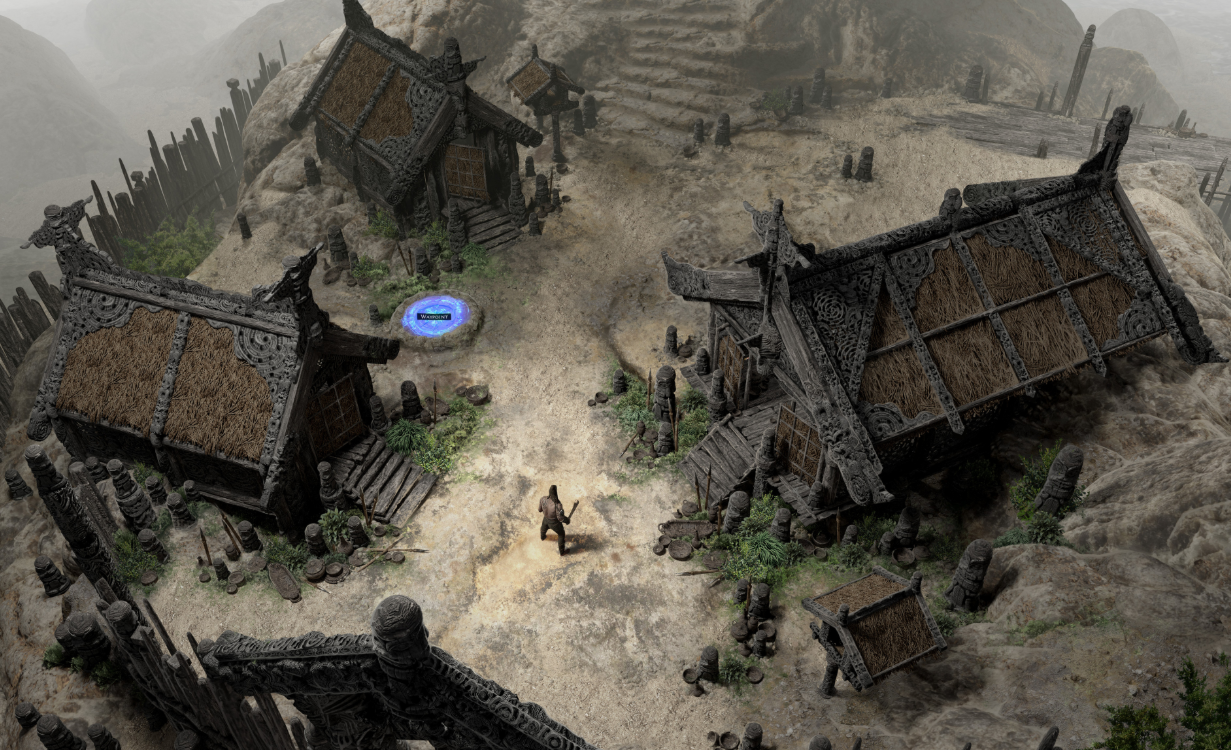
In Path of Exile 2, the Maji Talisman is a unique talisman base type that has captured the attention of players looking to craft powerful endgame builds. This weapon is especially popular among players who focus on critical strikes, physical damage, and Rage mechanics, making it an excellent choice for those building a high-damage, fast-attacking character. Here's a breakdown of what makes the...
Castorice's Introduction and Gameplay Castorice stands out as the second premium remembrance character introduced in Honkai: Star Rail, following the debut of Aglaea in version 3.0. Unlike standard units, both Aglaea and Castorice depend heavily on their memosprites during combat. While Aglaea summons a mannequin-like figure, Castorice commands a massive, intimidating dragon that accompanies...