


 Crypto.
 About
About
 sierra
 Conference call
 Terms
Terms
 Privacy
 Sierra market
Engineering Talent Starts With Real Problems, Not Just Projects
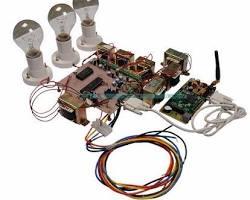
In today’s rapidly evolving technology landscape, electrical projects for engineering students are no longer just academic requirements — they are strategic training grounds for the future workforce. At Digilog, we believe the gap between classroom theory and industry readiness is best bridged through practical, problem-driven project work.
For decision makers across academia and industry in Pakistan, the message is clear: the quality of student projects today directly impacts the innovation capacity of tomorrow’s organizations.
A Strong Perspective: Projects Should Solve Real Industry Pain Points
Too many student projects still revolve around simulated problems or outdated concepts. While they may fulfill academic criteria, they rarely prepare graduates for real engineering environments.
Our stance is simple:
Electrical engineering projects should be designed around real operational challenges — energy efficiency, automation, reliability, and smart infrastructure.
When students work on authentic problems such as power optimization or IoT-based monitoring, they develop not just technical skills, but also systems thinking, risk assessment, and user-centric design — competencies employers actively seek.
Why Electrical Projects Matter More Than Ever
1. The Shift Toward Smart Infrastructure
From intelligent buildings to automated manufacturing, electrical systems are becoming smarter and more interconnected. Students who work on embedded control systems or smart grid prototypes gain exposure to technologies shaping modern industries.
2. Energy Challenges Demand Innovation
With rising energy costs and sustainability concerns, projects focused on energy monitoring, solar integration, and power management are highly relevant. They mirror the exact problems utilities, factories, and commercial facilities face daily.
3. Industry 4.0 Requires Multidisciplinary Skills
Electrical projects now overlap with software, data analytics, and networking. This convergence prepares students for roles that didn’t exist a decade ago — such as automation engineers or IoT system designers.
High-Impact Electrical Project Domains
Below are project categories that consistently produce industry-ready graduates:
Smart Energy Management Systems
Students design solutions that monitor and optimize power consumption using sensors and microcontrollers. These projects align with real corporate sustainability goals.
Industrial Automation Prototypes
PLC-based control systems, automated conveyors, and motor control projects help students understand factory environments and process optimization.
Renewable Energy Applications
Solar tracking systems, hybrid power solutions, and battery management projects expose students to the fast-growing clean energy sector.
IoT-Enabled Electrical Monitoring
Projects that combine cloud dashboards with electrical sensing prepare students for remote diagnostics and predictive maintenance — key capabilities in modern operations.
Real-World Example: From Academic Prototype to Operational Tool
Consider a university team that developed an IoT-based transformer health monitoring system. Initially built as a final-year project, the solution was later piloted by a local utility provider.
Impact achieved:
-
Early fault detection reduced downtime
-
Data insights improved maintenance scheduling
-
Operational costs decreased
This example illustrates a critical point: when projects address genuine industry needs, they can transition from classroom experiments to deployable solutions.
The Role of Industry Collaboration
To maximize the value of electrical projects, collaboration between academia and technology providers is essential.
Organizations can contribute by:
-
Providing real datasets or operational challenges
-
Offering mentorship from practicing engineers
-
Supporting pilot deployments
Such partnerships ensure projects remain relevant while giving students exposure to professional workflows.
Common Gaps We Observe in Student Projects
Through our engagement with educational institutions, several recurring issues emerge:
-
Lack of scalability considerations — projects work in labs but not in real environments
-
Limited documentation and testing — reducing industry usability
-
Minimal focus on user experience — despite being critical for adoption
Addressing these gaps can significantly elevate project quality and employability outcomes.
How Institutions Can Elevate Project Quality
Adopt Problem-First Project Selection
Start with industry challenges rather than predefined experiment lists.
Encourage Cross-Disciplinary Teams
Combining electrical, software, and business students leads to more holistic solutions.
Integrate Industry Review Panels
Regular feedback from professionals ensures alignment with real-world expectations.
Emphasize Deployment Readiness
Projects should include testing plans, cost analysis, and scalability strategies.
Actionable Takeaways for Decision Makers
For Universities
-
Align project themes with national industry priorities
-
Build long-term partnerships with technology firms
-
Reward innovation and real-world applicability
For Corporate Leaders
-
Treat student projects as early innovation pipelines
-
Sponsor challenge-based competitions
-
Provide internship pathways tied to project outcomes
For Policy Makers
-
Incentivize academia-industry collaboration
-
Fund applied research initiatives
-
Promote standards for project commercialization
The Future: From Academic Exercise to Innovation Engine
Electrical engineering education is at a turning point. Institutions that continue treating projects as routine coursework risk producing graduates who require extensive retraining. Those that transform projects into innovation platforms will cultivate engineers ready to drive digital transformation from day one.
At Digilog, we see student projects not as small experiments but as micro-innovations — early sparks that can evolve into scalable solutions for businesses and public infrastructure.
Conclusion
Electrical projects for engineering students are more than academic milestones; they are strategic tools for workforce development and technological advancement. By focusing on real-world challenges, fostering industry collaboration, and emphasizing deployment readiness, institutions can turn student innovation into measurable economic and operational value.
For professionals and decision makers, the opportunity is clear: invest in better projects today to build a more capable engineering ecosystem tomorrow.
Bub
Do?

Categories
Read More
Universal Studios Hollywood unveils its 2026 Fan Fest Nights roster This exclusive twelve-night spectacle runs from late April through mid-May Immerse yourself in a live-action Scooby-Doo mystery alongside classic Universal Monsters Journey through iconic film backlots on a special Studio Tour tram experience The epic 'One Piece' saga comes to life in a grand pirate show at the WaterWorld...

The console version of the acclaimed Riot Games tactical shooter, Valorant, has now entered an open beta phase accessible to all PlayStation 5 and Xbox Series X users. This marks a significant expansion from the initial limited testing period, opening the door for a broader audience to experience the game on home consoles. Originally released on PC in mid-2020 after several years of...
The beloved horror-comedy franchise returns with Gremlins 3 officially slated for November 19, 2027. Steven Spielberg resumes his executive producer role while Chris Columbus shifts from screenwriter to director for this installment. Zach Lipovsky and Adam Steen are crafting the screenplay. A powerhouse production team assembles behind the scenes, including Amblin Entertainment and 26th Street...
The Danish film 'Mango' arrives on Netflix globally this November 7. At its heart is a compelling character clash in sunny Málaga. Driven hotel manager Lærke, portrayed by Josephine Park, is focused on a luxury hotel development. She meets unexpected resistance from Alex, a former lawyer played by Dar Salim, who is determined to protect his family's mango plantation. The planned...
The UK's controversial surveillance clause remains a looming threat despite temporary delays in its enforcement. Client-side scanning mandates could fundamentally compromise digital privacy by forcing tech companies to inspect private communications. This approach effectively dismantles end-to-end encryption protections creating vulnerabilities that experts warn are impossible to implement...