


 Crypto.
 Environ
 sierra
 Conference call
 Conditions générale de vente
 Confidentialité
 Sierra market
When Do You Need Spine Surgery? Treatment and Recovery Guide
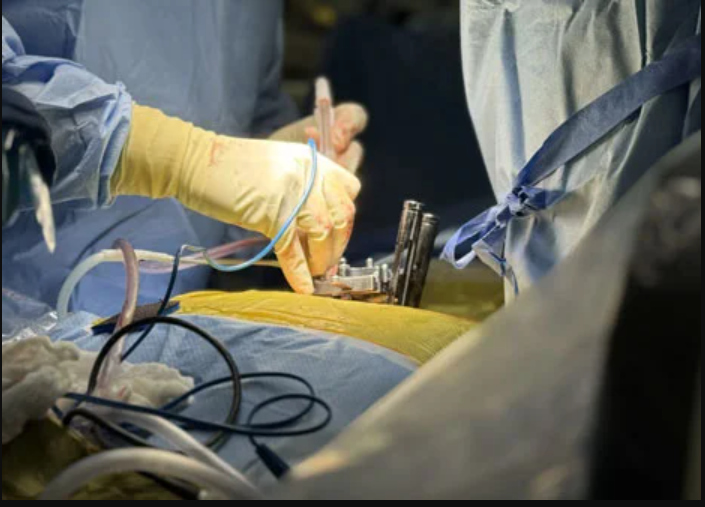
When back pain or neck discomfort turns from a nagging nuisance into a disabling condition, it may be time to consider spine surgery. Most patients first try conservative measures—physical therapy, anti inflammatory medication, epidural injections, and lifestyle adjustments—but when symptoms persist despite these efforts, or when imaging shows a structural problem that threatens nerves or spinal stability, surgery becomes a reasonable next step. Red flag signs such as progressive weakness, loss of bladder or bowel control, a rapidly worsening gait, or severe, unrelenting pain that interferes with sleep or daily activities are strong indicators that the spine’s anatomy is no longer able to protect the nervous system without operative intervention.
The decision to operate hinges on a thorough evaluation that includes a detailed history, a focused neurological exam, and high resolution imaging (MRI, CT, or dynamic X rays) to pinpoint the exact source of compression or instability. Common surgical indications include herniated discs that impinge on nerve roots, spinal stenosis that narrows the canal, spondylolisthesis or fractures that jeopardize alignment, and deformities such as scoliosis that compromise function. Surgeons weigh the benefits of each procedure—ranging from minimally invasive discectomy or micro decompression to more extensive fusion or artificial disc replacement—against potential risks like infection, blood loss, or adjacent segment disease.
If surgery is recommended, preparation starts well before the operating room. Patients are advised to quit smoking, optimize nutrition, manage chronic conditions (diabetes, hypertension), and often engage in pre habilitation exercises to strengthen core muscles and improve cardiovascular fitness. On the day of the operation, modern techniques such as intra operative navigation, neuromonitoring, and minimally invasive approaches help reduce tissue trauma and shorten hospital stays. Most elective spine surgeries now allow same day discharge or a brief overnight observation, with pain controlled by multimodal regimens that limit opioid use.
Recovery follows a predictable, phased timeline. The first few weeks focus on protecting the surgical site, gentle mobilization, and learning proper body mechanics to avoid re injury. Physical therapy is introduced early—often within 24–48 hours—to maintain flexibility and begin strengthening exercises tailored to the specific procedure. By six to eight weeks, many patients can resume light daily activities, while more vigorous tasks such as heavy lifting or high impact sports are typically delayed until three to six months, depending on the extent of the fusion or hardware placement. Regular follow up appointments with the surgeon and imaging studies ensure that the spine is healing as expected and allow timely adjustments to the rehabilitation plan.
Ultimately, Spine Surgery Flemington NJ is not a cure all but a targeted tool that restores the structural integrity of the spine, relieves nerve compression, and paves the way for functional recovery. By recognizing the warning signs, undergoing a comprehensive evaluation, and committing to a structured post operative program, patients can transition from chronic pain to a return of mobility and quality of life—often faster and more reliably than with prolonged non surgical therapy alone.
Bub
Do?

Catégories
Lire la suite
Unsolved Ramsey Case On a cold winter morning in December 1996, the Ramsey household was shattered by a tragic discovery. The youngest family member, six-year-old JonBenét Ramsey, was found missing from her home, leaving behind a disturbing ransom note that hinted at abduction. As panic set in, her father, John Ramsey, made a horrifying revelation: JonBenét’s body was found...

Murmuring Woods Nymphs Collection In Honkai: Star Rail, the serene area known as Murmuring Woods, part of the Grove of Epiphany, is inhabited by a total of twenty elusive nymphs. These enchanting beings are often spotted in various locations throughout the region, with some perched on walls while others appear to be lost in the breathtaking landscape. Players can locate all twenty nymphs by...
Daniel Radcliffe, who portrayed Harry Potter in the film series spanning eight movies, recently reached out to the new cast members of the upcoming HBO adaptation of the beloved book series. As the story transitions from pages to television screens, Radcliffe took the initiative to connect with the young actor stepping into Harry’s shoes. During a chat on Good Morning America, Radcliffe...
Unlocking Global Netflix Content Across the globe, Netflix libraries hold unique treasures unavailable elsewhere. While smash hits like 'Kpop Demon Hunters' or 'Stranger Things' stream worldwide, countless exclusive films and series remain locked behind regional borders. The US, UK, Canada, Australia, France, and Japan each boast distinct collections. These regional variations stem from...
Pumpkin Party Event Highlights Monopoly GO continues to celebrate Halloween with a series of exciting events that keep players engaged and rewarded. Following the Halloween Partners event and Ghoulish Gallop, the game introduces the Pumpkin Party event, adding a fresh layer of festive fun. This new event kicked off on October 30 and will run for exactly three days and three hours, concluding...