


 Crypto.

 Passport
 Conference call
 send money
 الشروط
 الخصوصية
 Sierra market
The Darkness of Wraeclast: Tone and Story in Path of Exile
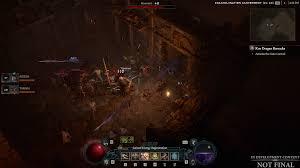
In an era where many action RPGs lean toward high fantasy or heroic spectacle, Path of Exile remains committed to a darker vision. The world of Wraeclast is not a place of grand adventures and noble quests. It is a land of exile, corruption, and moral decay, where every victory comes with cost and every character carries the weight of past sins. The tone of Path of Exile, established in its earliest builds and maintained across a decade of expansions, sets it apart from its peers and gives the game a distinct identity that resonates with players who prefer their fantasy grim.
The setting itself establishes the tone. Wraeclast is a continent that was once home to a great empire, the Vaal, which collapsed under the weight of its own hubris. Later, the Eternal Empire rose and fell in similar fashion. The player character is an exile, one of many criminals and outcasts shipped to this forsaken land. There is no chosen hero narrative here. The character is not saving the world out of nobility but surviving it out of necessity. This framing grounds the story in desperation rather than heroism.
The narrative of Path of Exile unfolds through environmental storytelling, item flavor text, and brief interactions with NPCs. There are no lengthy cutscenes or cinematic set pieces. Instead, players piece together the history of Wraeclast through ruined structures, scattered lore items, and the fragmented memories of the dead who can be spoken to through the spirit system. This approach rewards attentive players who take the time to explore and read. The story is not told to the player; it is discovered.
The themes of the story are consistently bleak. The Vaal civilization, the central focus of the early acts, practiced blood sacrifice and sought immortality through horrific means. The Beast, a sleeping god beneath the continent, corrupts everything it touches. The factions players encounter—the bandits of Act II, the corrupt templars of Act V, the twisted immortals of the later acts—are all flawed, compromised, and often monstrous. There are no clear heroes. The player’s allies, like the shadowy Helena or the desperate Sin, have their own agendas and their own sins to atone for.
The expansions have added layers to this darkness. The Fall of Oriath expansion introduced the templar order and the god-killing narrative, forcing players to confront the consequences of divine mortality. The Conquerors of the Atlas expansion explored the psychological toll of power, showing what happens when exiles become the oppressors. The Echoes of the Atlas expansion delved into obsession and madness, with the Maven representing a cosmic indifference to mortal struggle. Each expansion adds new dimensions to the tone without softening it.
The visual design reinforces the narrative. Wraeclast is not a beautiful world. It is a world of rotting forests, corrupted flesh, and decaying architecture. The color palette favors muted earth tones, sickly greens, and the red of blood. Even the more vibrant league mechanics, like the psychedelic colors of the Delirium mirrors, are presented as intrusive, unwelcome elements that corrupt the environment. The art direction communicates that this is a world in decline, a place where beauty has long since been consumed by the horrors that dwell within.
The voice acting and dialogue maintain the tone. NPCs speak with weariness, desperation, or barely contained madness. The exile’s own voice lines, triggered by skill usage or item identification, range from grim determination to nihilistic resignation. Characters do not offer hope; they offer survival, revenge, or escape. The dialogue avoids melodrama in favor of a restrained, almost clinical presentation of horror. This restraint makes the moments of genuine emotion—like the tragic backstory of the Brine King or the quiet sorrow of the Templar Court—land with greater impact.
For players accustomed to more heroic fantasy, the tone of Path of Exile 3.28 Currency can feel oppressive. That is intentional. Wraeclast is not meant to be a place anyone would choose to inhabit. It is a place of punishment, a continent built on the bones of failed civilizations. The darkness of the setting is not a superficial coating but a core design principle, influencing everything from the art to the story to the mechanics. In Path of Exile, there are no easy victories, no unambiguously good choices, no heroes who walk away unchanged. There is only survival, and the cost that survival extracts. That cost is what makes Wraeclast unforgettable.
Bub
Do?

الأقسام
إقرأ المزيد
Welcome to Rawalpindi Escort Agency. Enjoy the company of the most beautiful escorts who will accompany you during your visit to Rawalpindi. Rawalpindi is also known as the Pink City because much of it is painted pink. You will have a perfect holiday in Rawalpindi, where we provide you with first-class escorts. Now you have the opportunity to spend unforgettable moments with elegant ladies....

Celebrated Casting Director Susie Figgis Passes Away at 77, Leaving Behind an Extraordinary Legacy The film industry mourns the loss of Susie Figgis, an extraordinary casting director whose remarkable career spanned over four decades. Figgis peacefully departed on December 12, surrounded by her husband Bill Anderson and daughter. Born in Kenya and educated in British boarding schools from age...

Market Report Analysis The global aviation, defense manufacturing, and space exploration industries are executing an intensive structural transition toward next-generation aircraft architectures. As aerospace engineering groups, commercial airlines, and military procurement networks aim to optimize fuel efficiency, minimize greenhouse gas emissions, and elevate passenger cabin comfort,...
Managing unwanted hair can be time-consuming when relying on traditional methods like shaving, waxing, or threading. These techniques usually provide short-term results and require frequent repetition. Because of this, many people now prefer advanced cosmetic treatments that offer longer-lasting solutions. laser hair removal riyadh has become a widely chosen option for individuals who want...

До патча от 27 июня все нетронутые автомобили в Playerunknown’s Battlegrounds неизменно смотрели на восток. Это была неслучайная деталь — направление машин стало частью неформального метагейма, позволяя опытным игрокам оценивать обстановку в городах. Однако после обновления ориентация транспортных средств сделалась случайной, и важный инструмент выживания исчез. Редактор...
