


 Crypto.
 About
About
 Passport
 Conference call
 send money
 Termeni
 Confidențialitate
 Sierra market
Who Is the Ideal Candidate for PRP Hair Treatment?
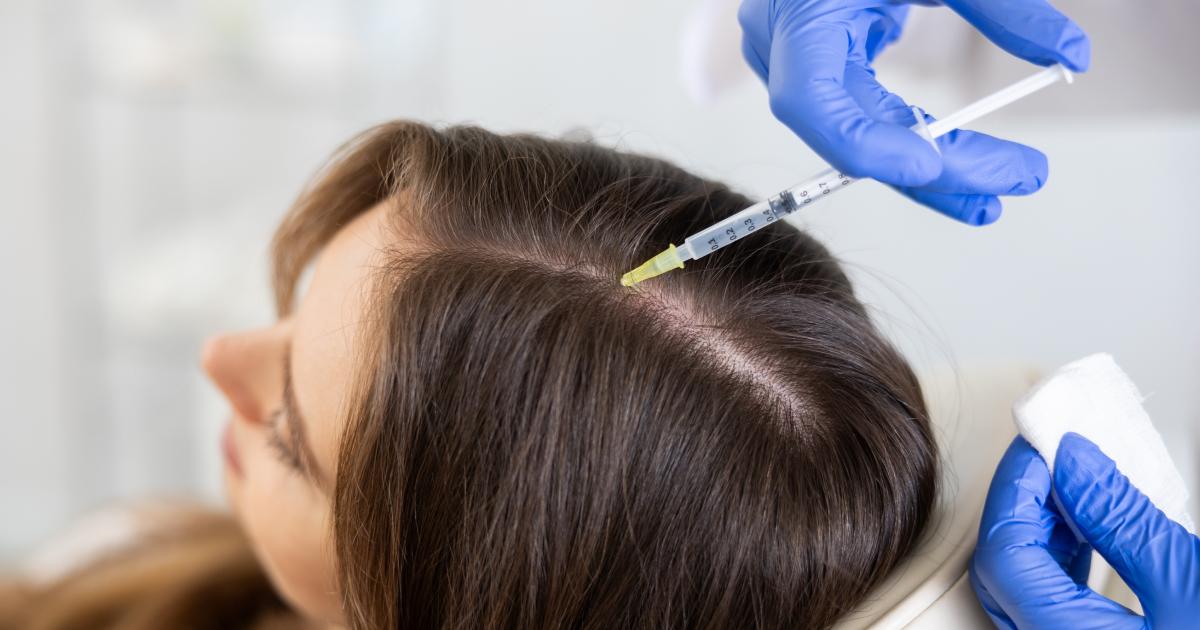
Many people exploring solutions for thinning hair often wonder whether they are suitable for regenerative procedures, and understanding this is essential before committing to any clinic-based therapy. In modern hair restoration medicine, PRP Hair Treatment is widely recognized as a non-surgical option designed to stimulate existing hair follicles and improve scalp health, but its effectiveness strongly depends on the patient’s stage of hair loss and biological response. Not everyone experiences the same results, which is why identifying the ideal candidate is the key to achieving successful outcomes.
What Makes Someone a Good Candidate for PRP Hair Treatment:
The ideal candidate for this procedure is someone who still has active hair follicles that can respond to stimulation and regeneration. Since the treatment works by enhancing natural growth factors, it cannot revive completely inactive or scarred follicles. People who are in the early phases of hair thinning tend to respond best because their scalp still contains viable roots capable of improvement. Common characteristics include:
- Mild to moderate hair thinning rather than complete baldness
- Gradual hair loss over time instead of sudden patchy bald spots
- Visible but reduced hair density
- Early signs of receding hairline
- Hair that becomes thinner, weaker, or more fragile over time
These individuals usually notice better improvement because their follicles are still active and responsive to treatment stimulation.
Early Signs That Indicate You Are Suitable:
There are several early warning signs that suggest a person may benefit from PRP Hair Treatment. Recognizing these signs early helps in starting treatment at the right time, which significantly improves outcomes. People who fall into this category often experience gradual changes in hair texture and volume before noticeable baldness appears. Key indicators include:
- Increased hair fall during brushing or washing
- Reduced volume when styling hair
- Widening part line on the scalp
- Family history of genetic hair loss
- Hair becoming finer and weaker over time
When these symptoms are addressed early, the treatment has a higher chance of slowing progression and improving density.
Who May Not Be the Right Candidate:
While many individuals benefit from regenerative hair procedures, not everyone is an ideal candidate. The effectiveness of PRP depends heavily on follicle activity, so those with advanced hair loss may not see significant improvement. In such cases, alternative treatments may be more suitable. Individuals who may not benefit include:
- People with advanced baldness and no visible follicles
- Long-standing hair loss with complete follicle inactivity
- Severe scalp scarring conditions
- Certain blood or platelet disorders
- Unrealistic expectations of immediate or dramatic regrowth
For these individuals, doctors may recommend hair transplant procedures or combination therapies instead.
Medical and Biological Factors That Matter:
Several internal factors determine whether a person will respond well to treatment. A proper medical assessment is always required before starting, as hair loss is influenced by genetics, hormones, and overall health. The most important factors include:
- Stage and severity of hair loss progression
- Hormonal balance and sensitivity to DHT
- Age and genetic predisposition
- Nutritional deficiencies or lifestyle habits
- Quality and density of remaining hair follicles
Patients with early-stage thinning and good health conditions tend to achieve more noticeable and consistent results compared to those with advanced hair loss patterns.
Lifestyle and Health Conditions Impacting Results:
Lifestyle choices also play a significant role in determining how well the scalp responds to regenerative therapy. Even if someone is a medically suitable candidate, poor lifestyle habits can reduce effectiveness. Factors that influence results include:
- High stress levels affecting hair growth cycles
- Poor diet lacking essential vitamins and proteins
- Smoking or excessive alcohol consumption
- Lack of sleep affecting hormonal balance
- Improper hair care routines causing additional damage
Improving these habits alongside treatment often enhances results and helps maintain long-term hair health.
What Results Ideal Candidates Can Expect:
For individuals who are well-suited, results tend to be gradual but noticeable over time. Since the treatment works by stimulating natural biological processes, improvements are not immediate but build up over several months. Typical outcomes include:
- Reduced hair shedding within the first few weeks
- Improved thickness and texture of existing hair
- Better scalp coverage in thinning areas
- Stronger and healthier hair strands
- Gradual improvement in overall hair density
It is important to understand that the treatment enhances existing hair rather than creating new follicles, which is why early intervention is so important.
Why Timing Matters in Treatment Success:
Starting treatment at the right stage of hair loss plays a major role in determining long-term success. Early intervention allows follicles to respond more effectively, leading to better and more sustainable results. Benefits of early treatment include:
- Higher follicle responsiveness
- Slower progression of hair loss
- Reduced need for surgical procedures later
- More predictable treatment outcomes
- Better long-term maintenance of hair density
Delaying treatment until severe baldness develops often reduces effectiveness significantly.
Combining Treatments for Better Outcomes:
In some cases, combining therapies can enhance results, especially for individuals with moderate thinning. A specialist may recommend additional supportive treatments to maximize effectiveness and maintain progress over time. These may include:
- Topical minoxidil applications
- Oral supplements for hair health
- Low-level laser therapy sessions
- Nutritional and lifestyle adjustments
- Scheduled maintenance sessions
Combination therapy often provides more stable and long-lasting improvements compared to standalone treatment.
Final Thoughts:
The ideal candidate for PRP Hair Treatment is someone in the early stages of hair thinning who still has active follicles capable of regeneration. While it is not effective for advanced baldness, it remains one of the most promising non-surgical options for slowing hair loss and improving hair quality when used at the right time. Proper evaluation, early intervention, and realistic expectations are essential to achieving the best possible results and maintaining long-term hair health.
Bub
Do?

Categorii
Citeste mai mult
Introduction: Claudia Pina Wins POTM For those considering adding a new player to their squad, Claudia Pina’s recent recognition as Liga F Player of the Month brings an enticing SBC opportunity in FC 26. With her reputation already established as a formidable presence in the game, this special card could further solidify her influence throughout the current cycle. Before jumping in and...

The Esports Betting Market forecasts suggest sustained long-term growth fueled by technological advancement and expanding global esports audiences. With market value projected to reach 56.19 USD Billion by 2035 at a 14.3% CAGR, the industry presents significant opportunities for operators, investors, and technology providers. The overview emphasizes increasing monetization through...
In Diablo 4, gems are essential for enhancing your character's power, refining your build, and surviving the brutal battles of Sanctuary. These magical stones slot into weapons, armor, and jewelry to grant unique stat boosts-from increased damage to improved resistances and defensive perks. Whether you're a new player just unlocking gem mechanics or a veteran looking to Diablo 4 Items optimize...
The global fashion landscape has undergone a significant transformation in recent years, with consumers increasingly seeking clothing that combines comfort, sophistication, and versatility. This shift has fueled the rise of elevated casual fashion, a movement that blends relaxed silhouettes with premium craftsmanship and contemporary design. Among the brands leading this evolution, Billionaire...

Pokémon TCG enthusiasts can anticipate a nostalgic twist with the upcoming limited-time booster release in Pokémon TCG Pocket. While new packs have become a regular feature, this edition offers a retrospective journey through past expansions. Dubbed the Deluxe Pack: ex, this special set is designed to help collectors fill in gaps from earlier releases, featuring an array of...
