


 Crypto.

 Passport
 Conference call
 send money
 الشروط
 الخصوصية
 Sierra market
How to Plan Time Off Work After Liposuction Surgery
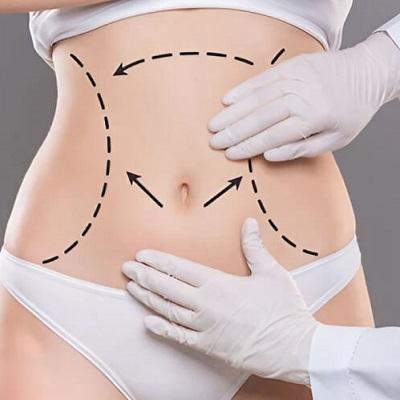
Planning time away from work is an important part of preparing for liposuction. Although liposuction is commonly performed as a body-contouring procedure, it is still a surgical treatment, and the body needs adequate time to recover. Returning to work too quickly can make the recovery period more uncomfortable and may interfere with normal healing.
For people considering Liposuction Surgery in Muscat, understanding how much time may be needed away from work can make the entire process easier to organize. Recovery varies from person to person because factors such as the amount of fat removed, the treatment area, the type of liposuction performed, overall health, physical fitness, and the nature of the person's job can all affect the healing timeline.
A person with a desk-based job may be able to return to work relatively soon, while someone whose work involves lifting, prolonged standing, driving, or physical activity may require additional recovery time. The treating surgeon's individual recommendations should always take priority because recovery is not identical for everyone.
How Long Should Someone Take Off Work After Liposuction?
There is no single recovery period that applies to every liposuction patient. Many people can return to light, desk-based work within several days to around one or two weeks, depending on how they feel and how their recovery is progressing.
The first few days are generally focused on rest, mobility, hydration, medication as prescribed, and managing normal postoperative symptoms. Swelling, bruising, tenderness, tightness, and fatigue can make normal activities more difficult during this early period.
Someone working from home may find it easier to resume limited work duties earlier because they can rest when needed and avoid commuting. However, working from home does not necessarily mean the body has fully recovered.
A job involving significant physical effort may require a longer break. Employees whose responsibilities include lifting, carrying, frequent bending, climbing stairs, or prolonged standing should discuss their expected return-to-work date with their surgical team.
Rather than choosing a return date based only on a general recovery estimate, it is sensible to consider how the job's daily demands match the person's current physical abilities.
Factors That Can Affect the Return-to-Work Timeline
Several factors can influence how quickly someone feels ready to return to normal professional activities.
The Treatment Area
The location and number of areas treated can influence discomfort and mobility. Liposuction involving multiple areas may result in more swelling and soreness than treatment involving a smaller area.
For example, treatment around the abdomen, thighs, hips, arms, or other areas can affect movement differently. The body's response is individual, so the recovery experience of another patient may not accurately predict someone else's timeline.
The Nature of the Job
The physical demands of employment are particularly important.
A person with an office-based role may primarily need to manage sitting comfortably, commuting, and maintaining energy levels. Someone working in construction, healthcare, hospitality, retail, fitness, or another physically demanding environment may need considerably more time before returning to full duties.
A gradual return may sometimes be appropriate, particularly when an employer can provide temporary modifications.
Overall Health and Recovery
General health, fitness, smoking status, nutrition, sleep, and adherence to postoperative instructions can all influence recovery. Healing may also vary depending on how the body responds to surgery.
Following instructions about wound care, compression garments, medication, activity, and follow-up appointments can help support a smoother recovery.
How to Prepare for Time Off Before Liposuction
Good planning can make the recovery period less stressful. Before undergoing liposuction, patients can consider discussing their anticipated recovery period with their employer while keeping personal medical information private if they prefer.
It can also be useful to arrange work responsibilities in advance. Important deadlines, meetings, physical assignments, and other time-sensitive tasks may need to be completed or delegated before surgery.
If possible, planning a few additional days of flexibility can be helpful. Recovery does not always follow an exact schedule, and having extra time available can reduce pressure to return before the body is ready.
Transportation should also be considered. Depending on the anesthesia or medications used, driving may not be appropriate immediately after surgery. A trusted adult may need to provide transportation and assistance during the initial recovery period.
Patients may also benefit from preparing their home environment before surgery. Comfortable clothing, prescribed medications, water, nutritious foods, and commonly used household items can be placed within easy reach.
What to Expect During the First Week
The first week is generally when rest and recovery receive the greatest attention. Swelling and bruising are common after liposuction, and the treated areas may feel tender, tight, numb, or uncomfortable.
Light movement is often encouraged after surgery, according to the surgeon's instructions. Gentle walking can help prevent prolonged inactivity, but strenuous exercise and demanding household tasks should generally be avoided until the surgical team says they are appropriate.
Sleep may also feel different during the early recovery period. Depending on the treatment area, certain sleeping positions may be uncomfortable. Following the postoperative team's advice about positioning and compression garments can help make the recovery period more manageable.
Returning to work during this stage should depend on the person's condition and job requirements rather than simply reaching a particular day on the calendar.
A person who feels comfortable working at a computer may still need frequent breaks to move around and avoid sitting in one position for too long. Short work periods followed by rest may be more realistic than immediately returning to a full schedule.
When Can Exercise and Physical Work Resume?
Returning to work and returning to exercise are not necessarily the same thing. Someone may feel capable of performing light office duties before being ready for strenuous exercise or physically demanding work.
Walking is often introduced relatively early, but more intense activity should be resumed gradually and only when cleared by the treating medical professional.
Heavy lifting, vigorous workouts, running, contact activities, and other strenuous movements may need to be postponed for a longer period. The exact timeline depends on the procedure and the individual's recovery.
This is particularly important for people whose employment is physically demanding. A person may need temporary restrictions even after returning to work.
A gradual increase in activity can allow the body to adjust without placing unnecessary stress on healing tissues. If pain, swelling, or unusual symptoms increase after activity, the person should stop and seek appropriate medical advice.
Tips for Making the Return to Work More Comfortable
Returning to work after liposuction can be easier when expectations are realistic. Several practical steps may help.
First, a patient can consider arranging a phased return if the workplace allows it. Starting with shorter hours or lighter responsibilities may provide the body with additional time to adapt.
Second, regular movement breaks can be useful for people returning to desk work. Sitting for long periods may become uncomfortable during the early recovery stage.
Third, loose and comfortable clothing can make working more manageable, particularly when swelling or compression garments are present.
Fourth, commuting should be considered carefully. Long journeys, crowded public transportation, or extended driving may be uncomfortable during the early recovery period. Alternative transportation or temporary remote work may be useful where available.
Finally, patients should avoid comparing their recovery with colleagues, friends, online testimonials, or other liposuction patients. Two people undergoing apparently similar procedures can have very different recovery experiences.
Warning Signs That Should Not Be Ignored
Most postoperative symptoms gradually improve, but certain symptoms require prompt medical attention.
A patient should contact the surgical team if there is worsening or severe pain, increasing redness or warmth around an incision, significant drainage, persistent fever, sudden swelling, difficulty breathing, chest pain, or another concerning change.
Emergency symptoms such as significant breathing difficulty, severe chest pain, fainting, or sudden neurological symptoms require urgent medical evaluation.
Patients should also attend recommended follow-up appointments. These visits allow the surgical team to assess healing and provide individualized guidance about work, exercise, compression garments, wound care, and other recovery activities.
Planning Ahead for Liposuction Surgery in Muscat
People considering Liposuction Surgery in Muscat may find it helpful to plan their procedure around work responsibilities rather than simply selecting a convenient date.
For example, someone with a flexible office schedule might choose a period when fewer meetings or deadlines are expected. Someone with a physically demanding job may need to arrange a longer recovery window and discuss temporary work restrictions with an employer.
Travel and family responsibilities should also be considered. If the person has young children or other dependents, arranging assistance during the first few days may make recovery more comfortable.
It is equally important to avoid scheduling surgery immediately before a major professional commitment when possible. Even when someone is medically cleared to return to work, swelling and fatigue may continue for some time.
Liposuction is intended to contour specific areas of the body rather than serve as a substitute for weight-loss treatment. A consultation with a qualified medical professional can help determine whether the procedure is appropriate and provide an individualized recovery plan.
Frequently Asked Questions
1. How many days should someone take off work after liposuction?
The required time varies according to the procedure, treatment areas, recovery progress, and type of employment. Some people with sedentary jobs may return within several days to one or two weeks, while physically demanding jobs may require a longer period. The treating surgeon should provide personalized guidance.
2. Can someone work from home after liposuction?
Working from home may be more comfortable because it eliminates commuting and allows easier access to rest. However, working remotely does not replace physical recovery. The person should still follow postoperative activity restrictions and take appropriate breaks.
3. When can someone return to a physically demanding job?
Physically demanding work generally requires more recovery time than desk work. Heavy lifting, repeated bending, prolonged standing, and strenuous activity should only be resumed after the surgical team confirms that the body has healed sufficiently.
4. Is swelling normal when returning to work?
Yes. Swelling and bruising can continue after a person returns to normal daily activities. Postoperative swelling may take weeks to gradually settle. Compression garments and other aftercare measures should be used according to the treating professional's instructions.
5. Can a person drive to work after liposuction?
Driving should be avoided until the person is medically cleared, can comfortably control the vehicle, and is no longer affected by medications or other factors that could impair driving. Someone may need transportation during the early recovery period.
6. What can help make returning to work easier?
Planning extra recovery time, arranging transportation, organizing work responsibilities beforehand, using comfortable clothing, taking movement breaks, and requesting temporary modifications where appropriate can make the transition easier. The person's recovery should remain the priority over returning to a normal schedule too quickly.
Final Thoughts
Planning time off work is an essential part of preparing for liposuction. While some people may return to light duties within a relatively short period, others may need additional time because of the extent of treatment or the physical requirements of their job.
For those considering Liposuction Surgery in Muscat, a realistic recovery plan should account for work responsibilities, transportation, household duties, exercise, and follow-up care. Most importantly, the return-to-work timeline should be based on individual medical advice rather than a fixed number of days.
With sensible preparation and appropriate postoperative care, patients can give their bodies the time they need to recover while making the transition back to everyday responsibilities more comfortable.
Read More About Liposuction Surgery: https://tanbat.com/articles/liposuction-surgery-questions-about-skin-elasticity-1r74ne
Bub
Do?

الأقسام
إقرأ المزيد
João Cancelo : Latéral Polyvalent Un nouveau visage fait son apparition dans le mode DCE sur FC 26 : João Cancelo en version fantasy FC. Ce latéral portugais, reconnu pour son style offensif et sa créativité, est une pièce maîtresse pour ceux qui cherchent un joueur polyvalent et technique. João Cancelo peut évoluer aussi...

The nuclear imaging devices market is expanding its footprint across multiple clinical specialties, with oncology, cardiology, and neurology driving demand for advanced functional imaging. As precision medicine becomes the norm, nuclear imaging is increasingly used to guide treatment decisions, monitor response, and personalize therapy. The market was valued at USD 8.27 billion in 2024 and is...
You'll get the pleasure you're looking for, and they'll be satisfied too. That's how we ensure it's a win-win for both of us. Dubai Indian Escort are incredibly popular thanks to their alluring and seductive style and captivating demeanor. Watching them is even more enticing than touching their voluptuous and shapely bodies, as it will quickly awaken your youthful masculinity. In fact, it's all...

The global Pigment Dispersion Market is projected to reach USD 44.7 billion by 2036, increasing from USD 28.8 billion in 2026 at a CAGR of 4.5%, according to Fact.MR analysis. The market was valued at USD 27.6 billion in 2025. Demand is concentrated across coatings, inks, plastics, and adhesives, with construction, packaging, automotive, and specialty manufacturing...

Путешествие по скалистым уступам Межевого камня требует ловкости и острого глаза. Цель — аурилены, энергетические сферы, разбросанные по вертикальному ландшафту. Подготовка — ключ к успеху. Завершите миссию «Посланник потомкам», чтобы получить доступ к скрытым зонам. В рюкзаке обязательно должны быть взрывчатка для механизмов и запас воды. Не пренебрегайте ксиронитовыми...
